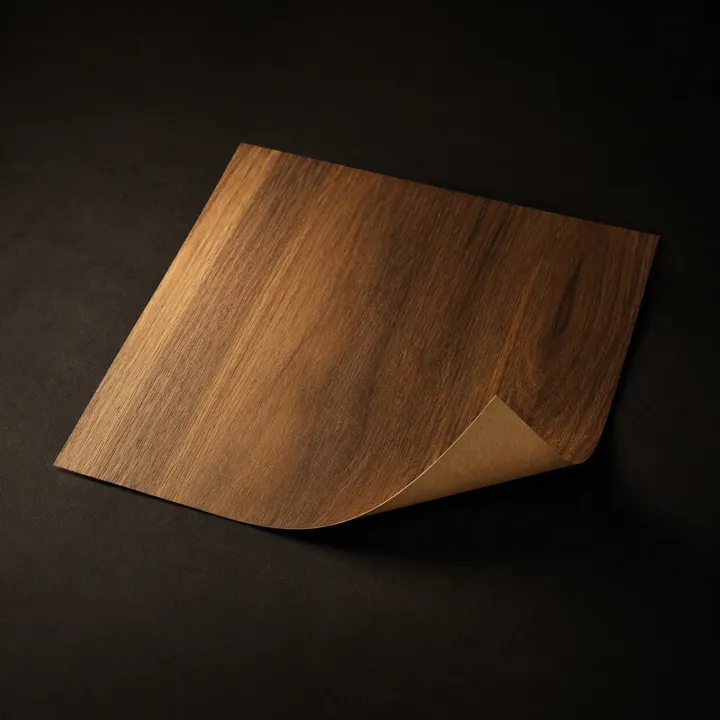
Standard laminate
0.8 mm
The everyday grade for shutters, shelving and panelling.

Est. 1970
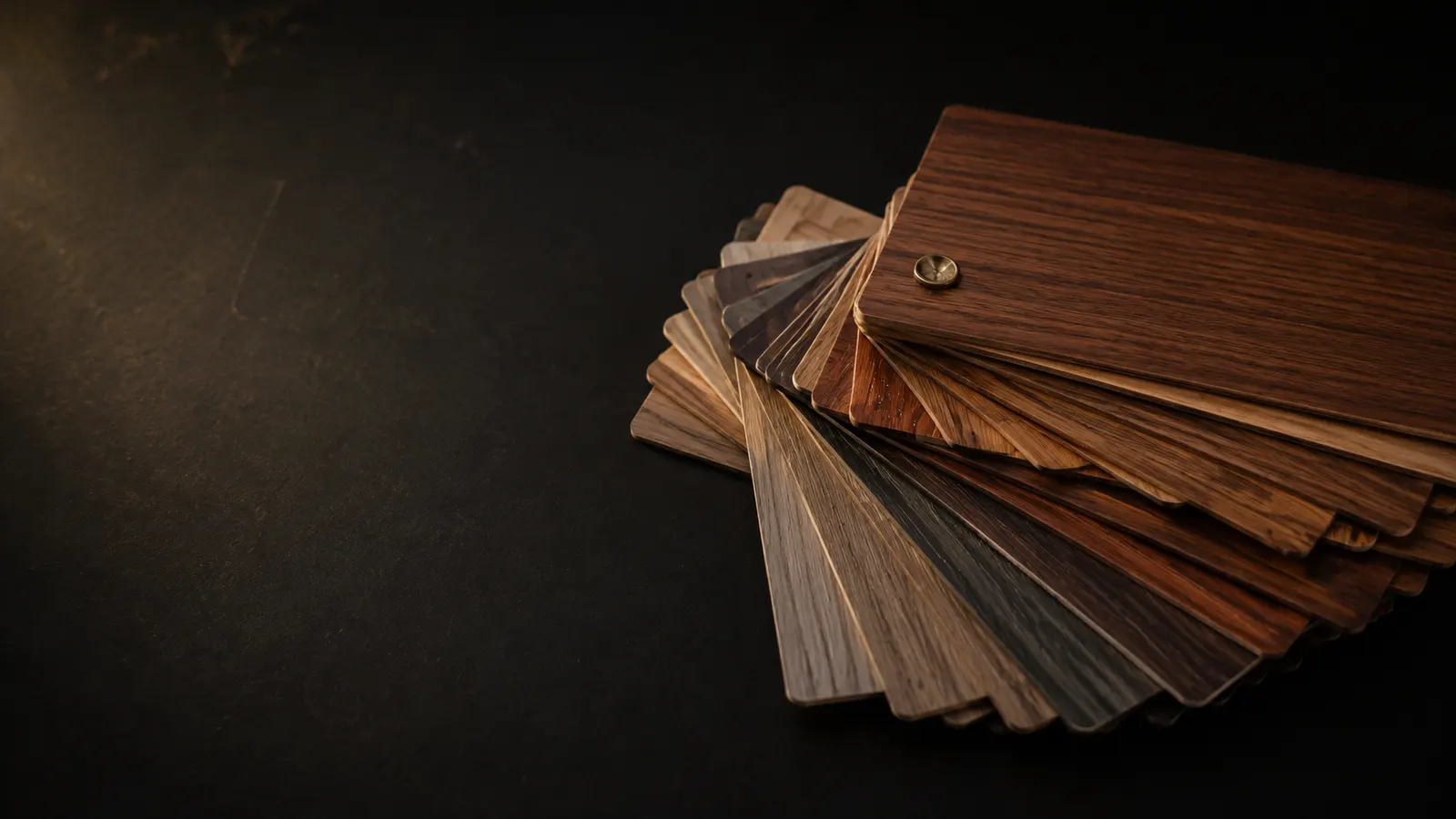
Laminate is the thinnest layer in the whole build and the only one anyone comments on. We hold a large sample library — come and look at it in daylight rather than choosing from a phone screen, because colour on a screen lies. Pressing is done in-house, which is why our edges do not lift.
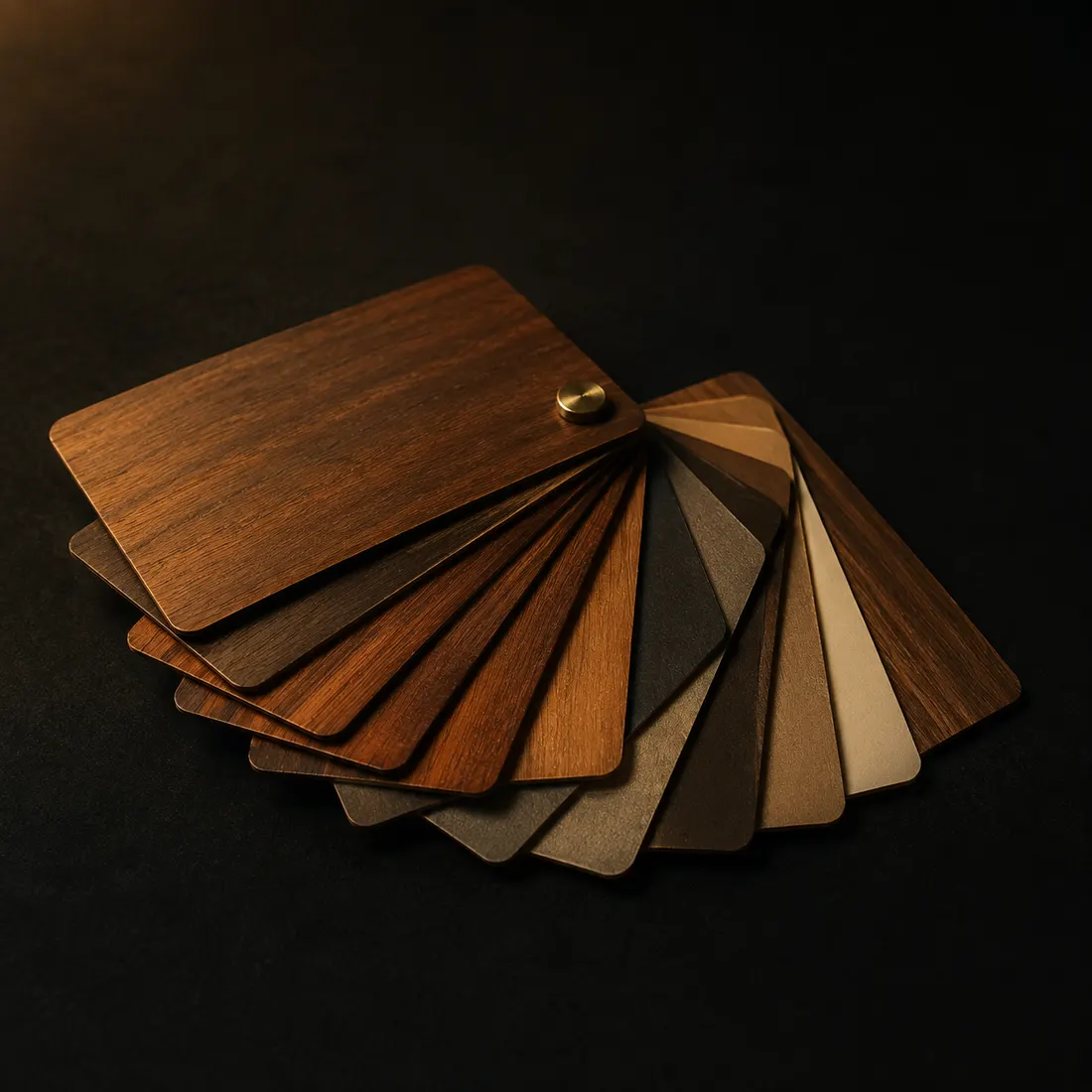
The everyday grade for shutters, shelving and panelling.
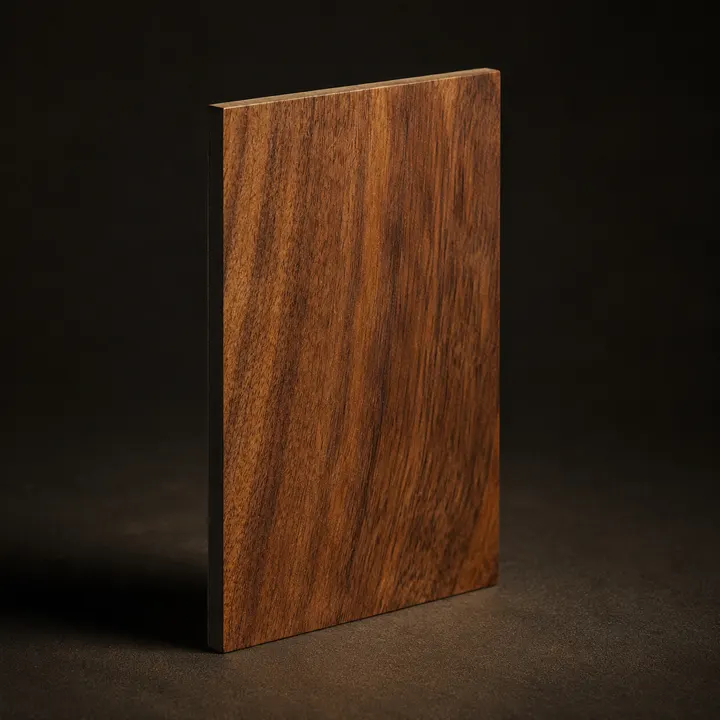
Thicker and tougher, for counters, tables and high-traffic surfaces.
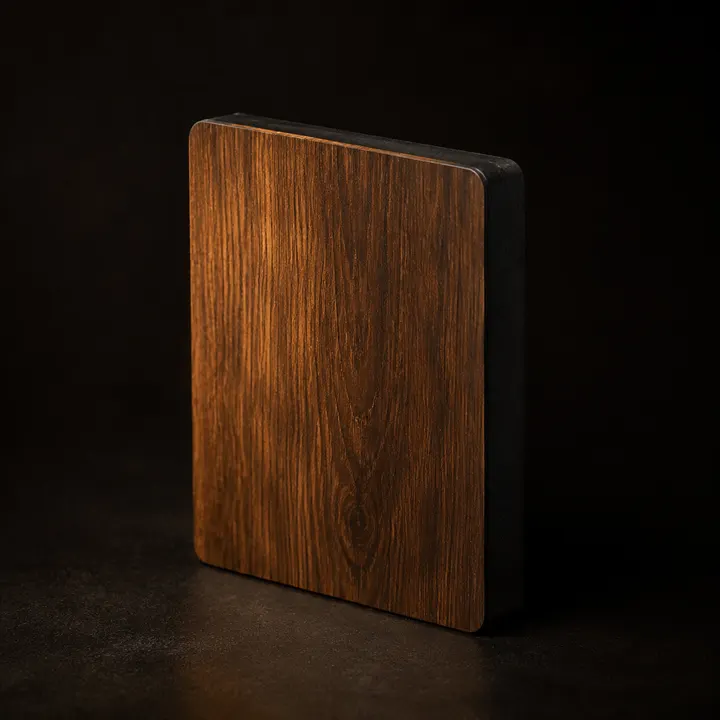
Self-supporting, waterproof through the whole thickness. Toilet cubicles and lab tops.
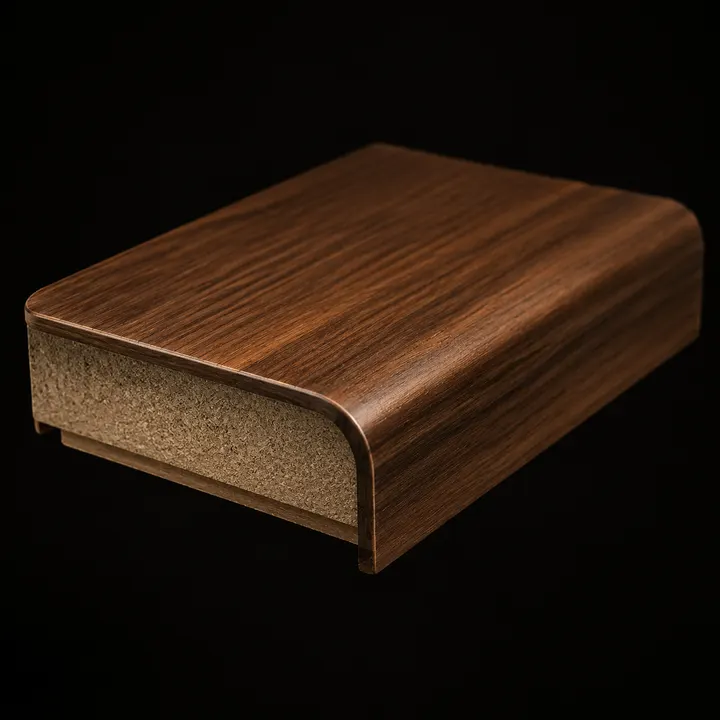
Bends around a radius for continuous counter edges.
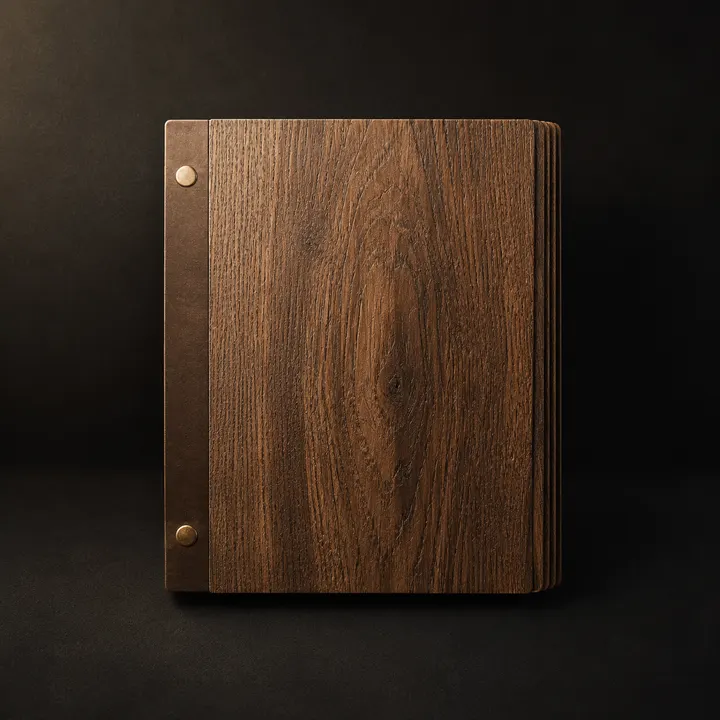
Surface texture that follows the printed grain — feels like real timber.
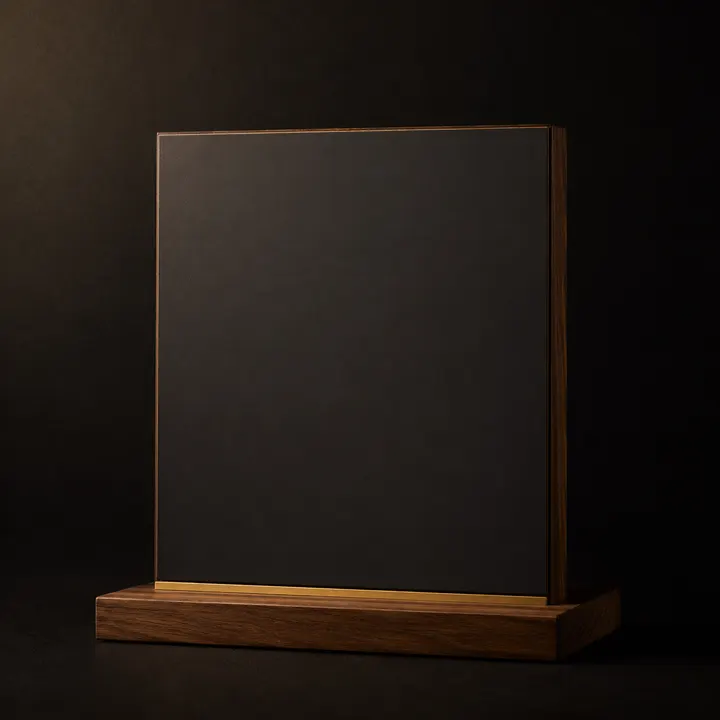
Deep matte that does not hold every fingerprint. Excellent for dark colours.
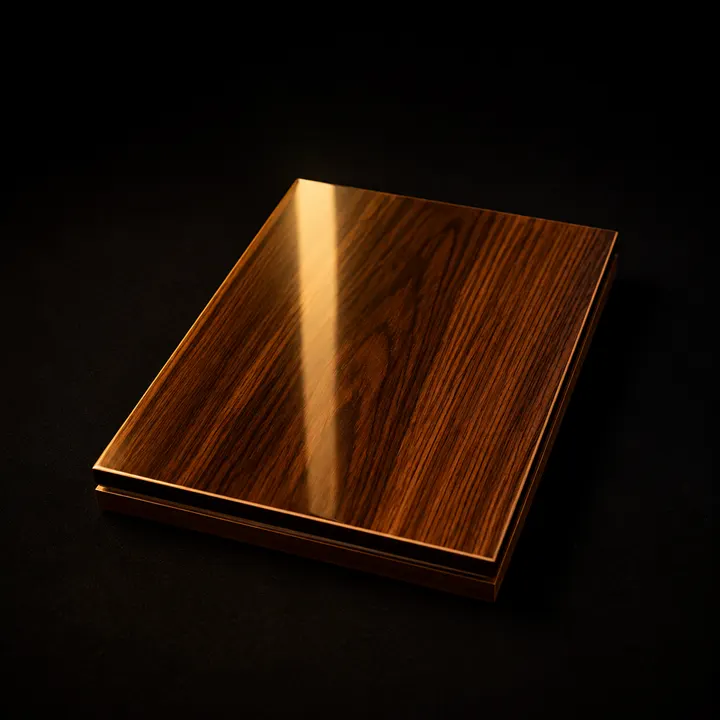
Reflective surface that bounces light around small rooms.
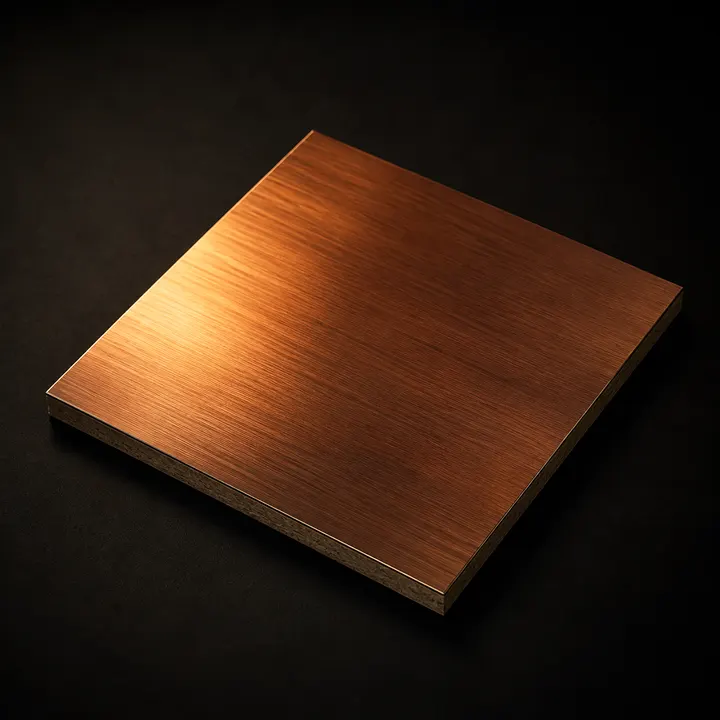
Brushed metal, concrete, stone, fabric and leather effects.
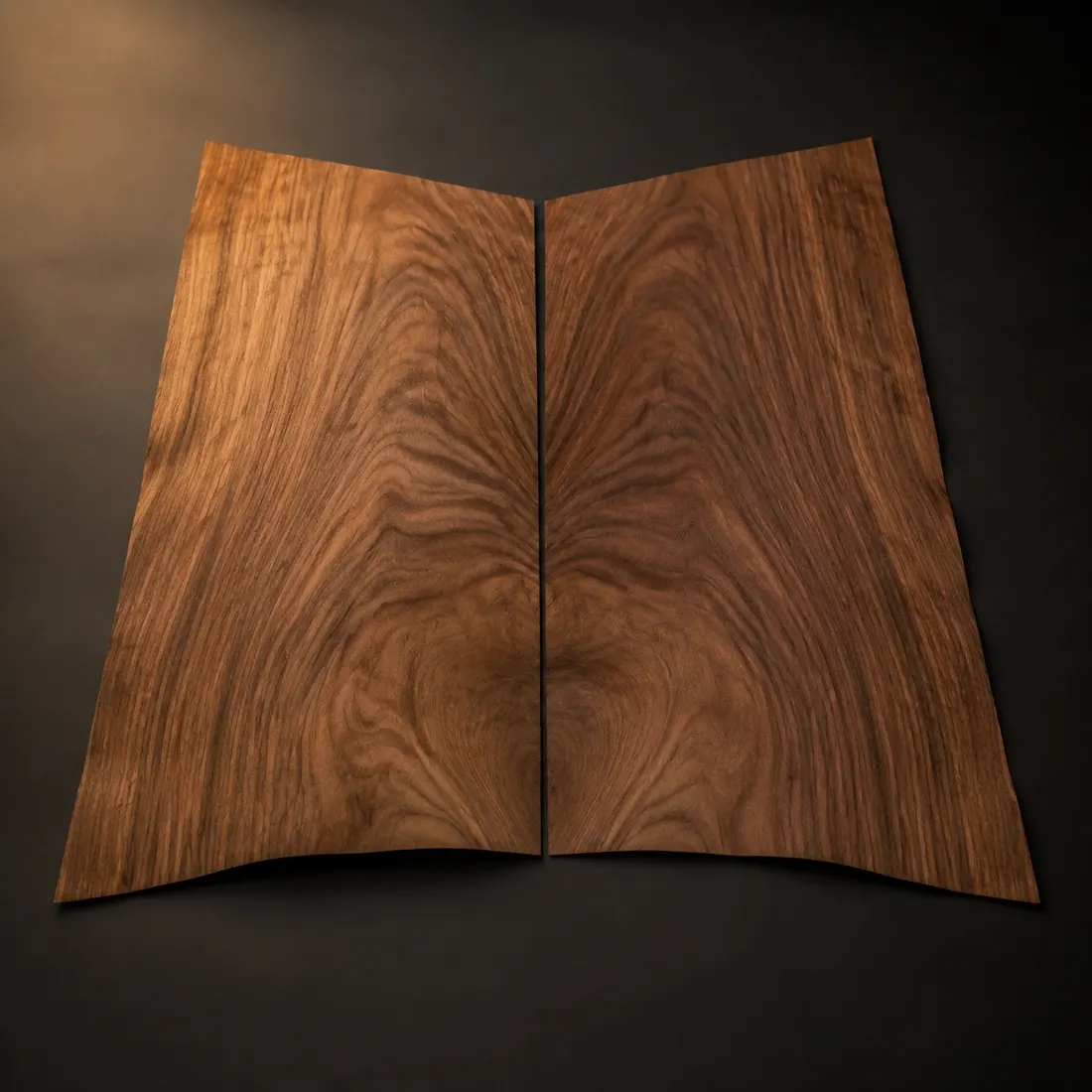
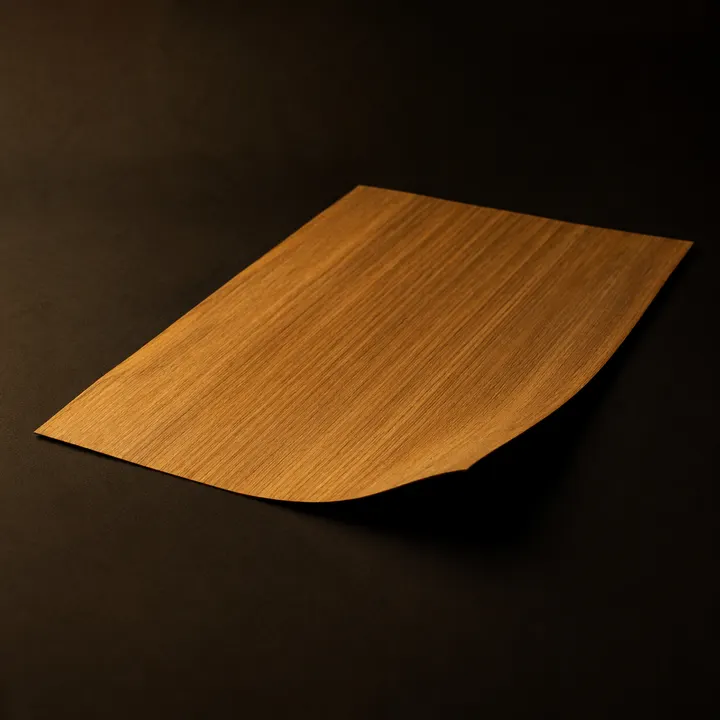
The classic. Warm, straight-grained, ages beautifully.
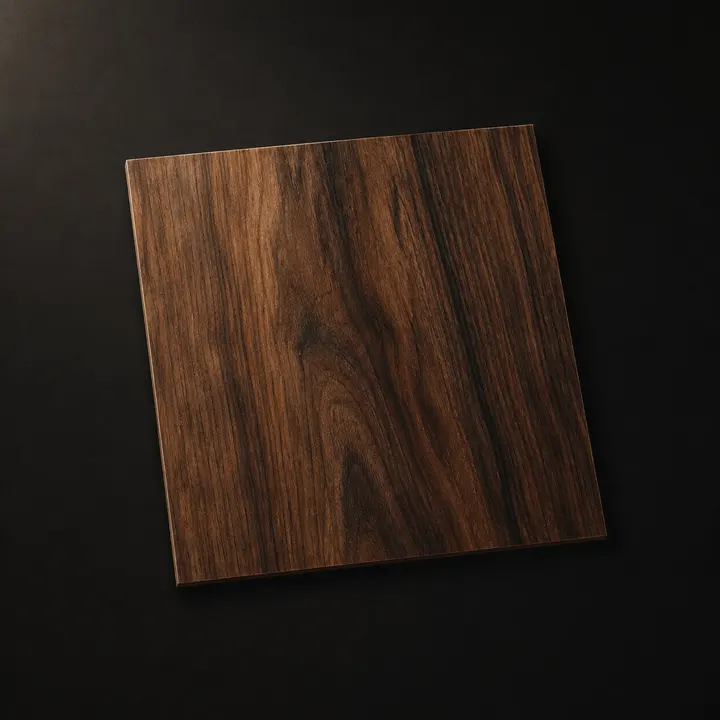
Deep brown with dramatic figure. A statement surface.
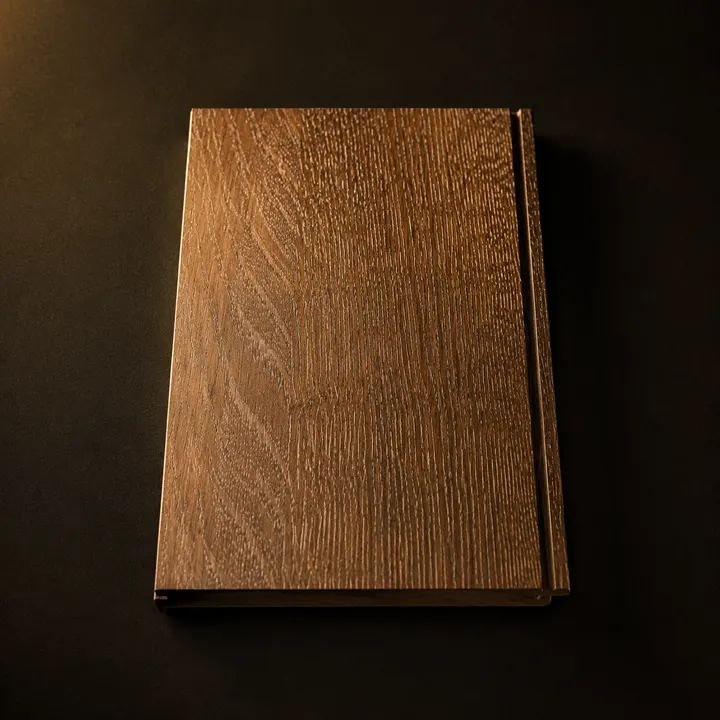
Pale, open-grained and very current in Scandinavian-leaning interiors.
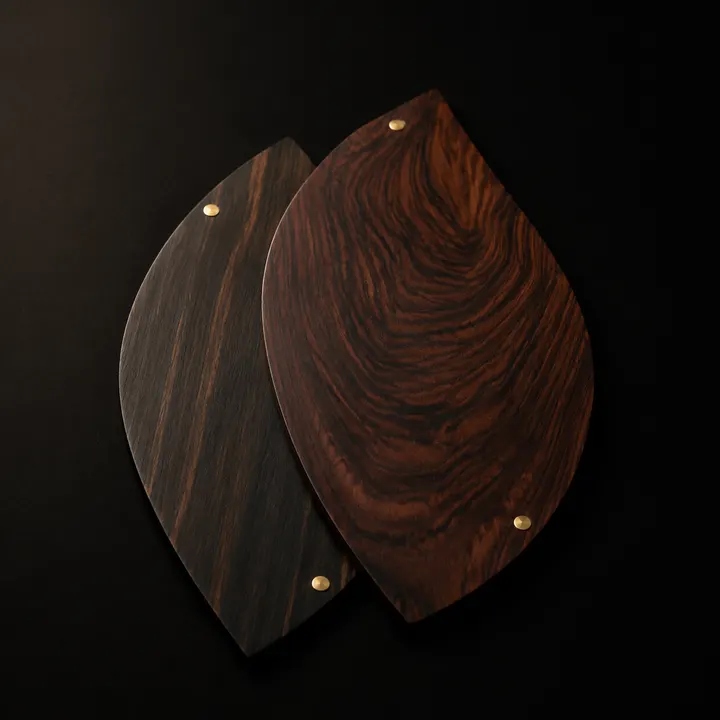
Dark, dense and formal.
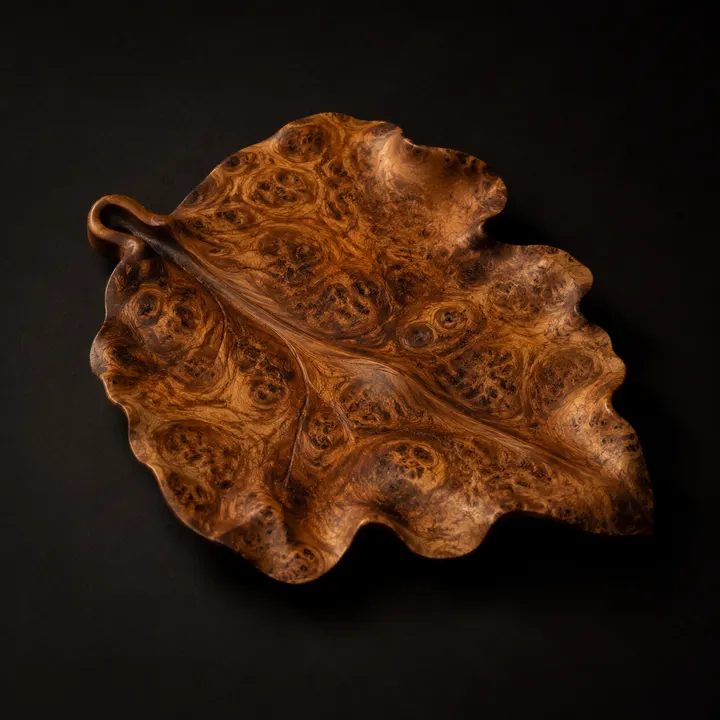
Burl, crotch and quilted figure for feature panels.
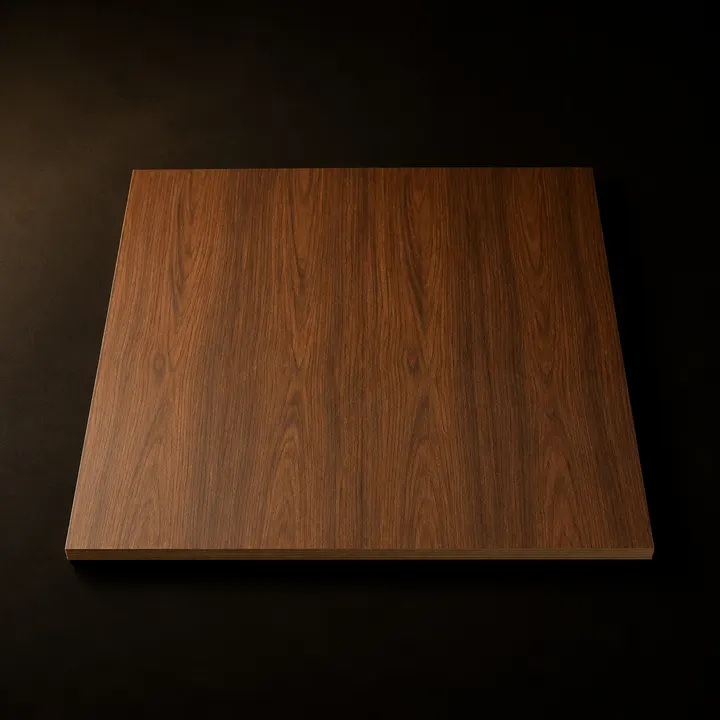
Engineered for consistent colour and grain across a large run.
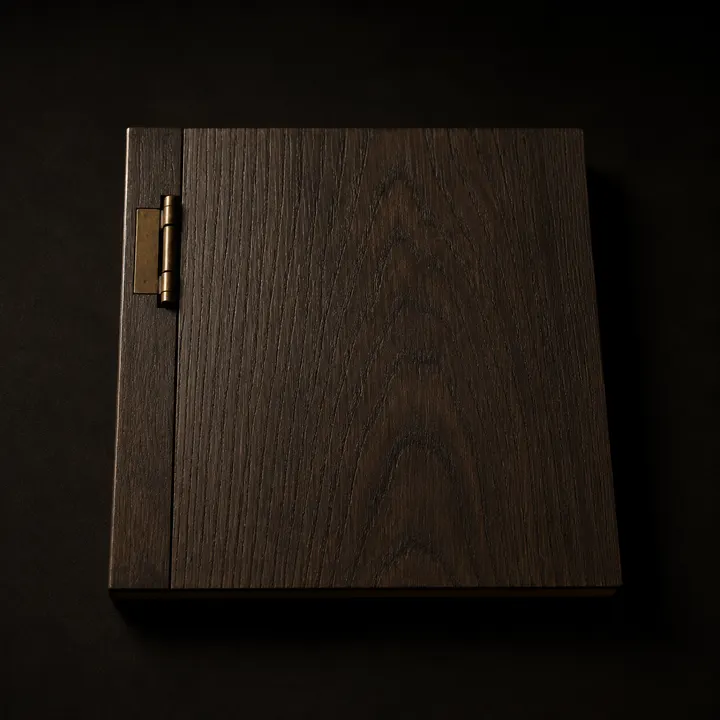
Darkened right through by fuming rather than surface stain.
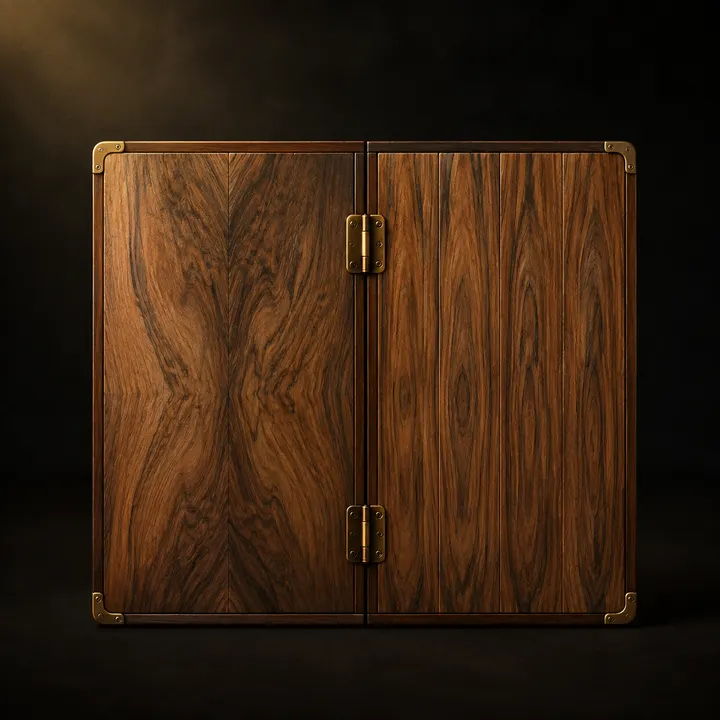
Leaves matched across a panel so the grain reads as one piece.
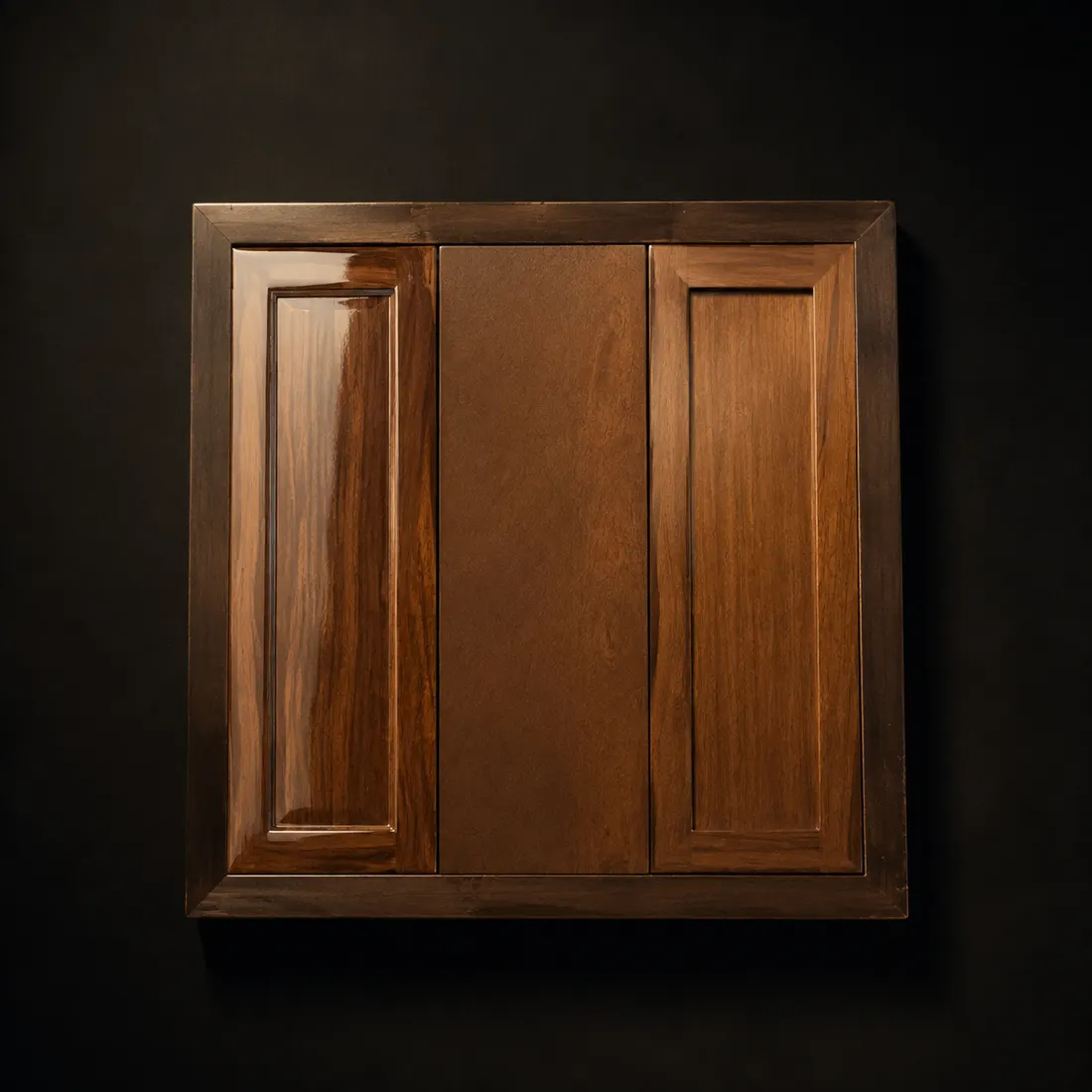
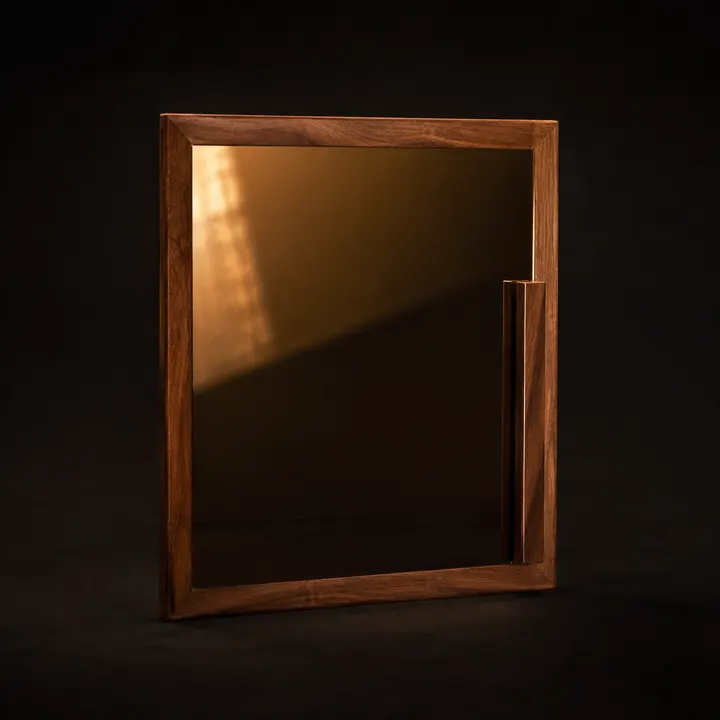
The deepest mirror finish available, with excellent scratch resistance.
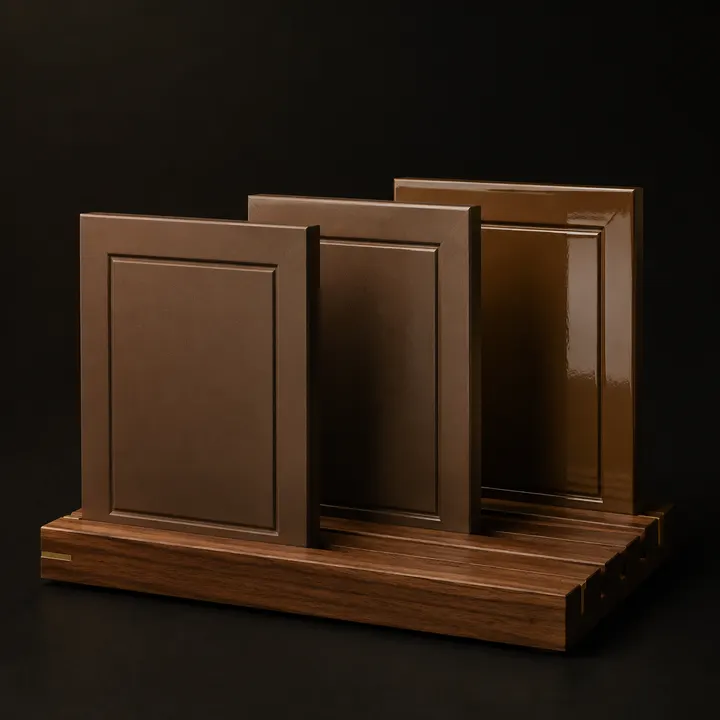
Sprayed polyurethane in any shade, at any sheen level.
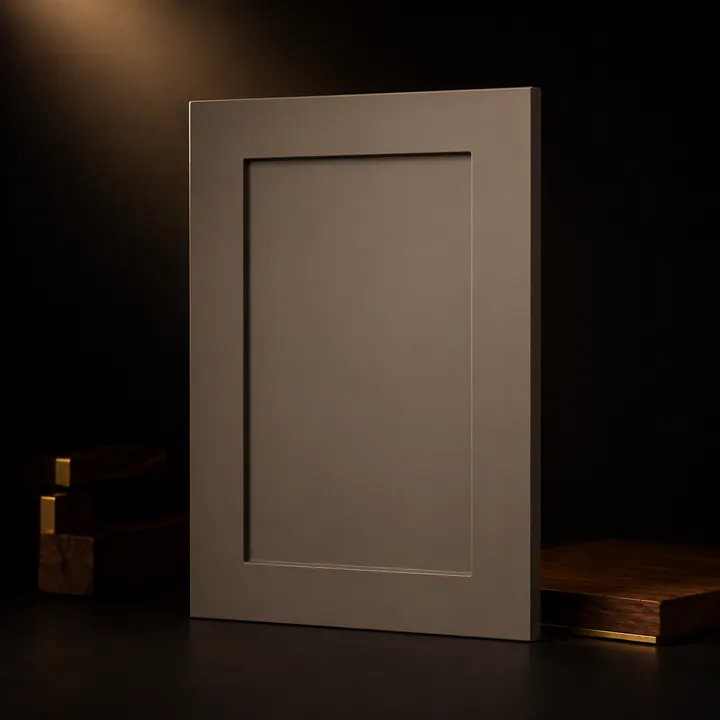
Economical sprayed colour finish.
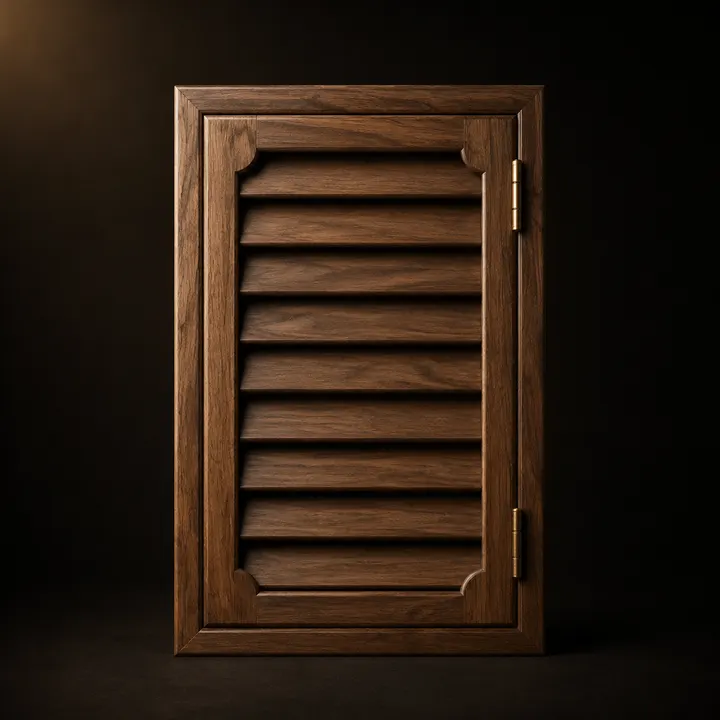
Heat-wrapped over routed MDF — seamless, no visible edge.
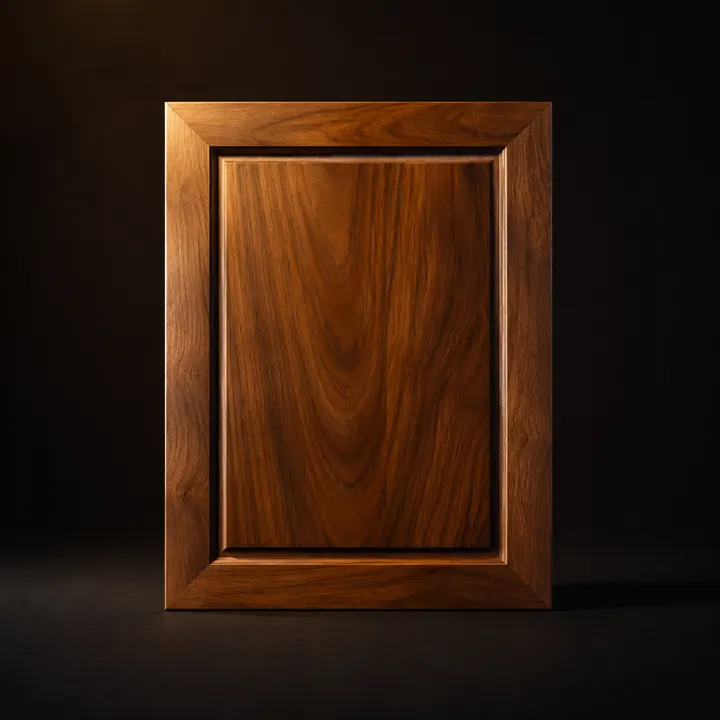
Traditional clear polish over natural timber.
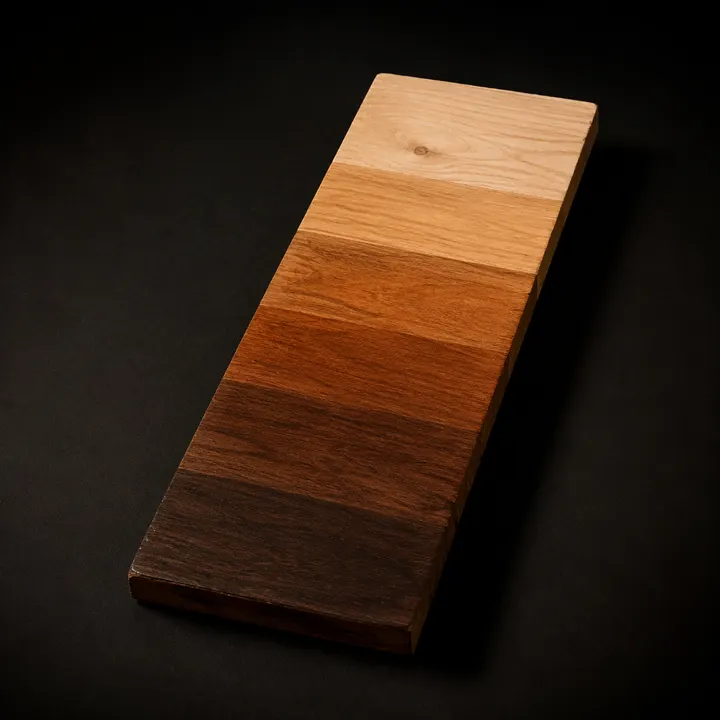
Shifts the tone without hiding the grain. Matched to your sample.
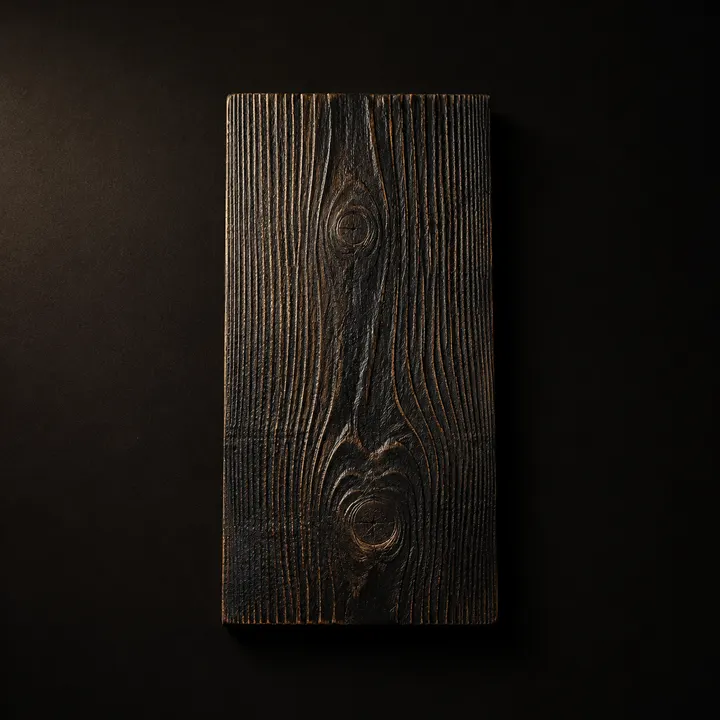
Wire-brushed and charred timber for texture-led interiors.
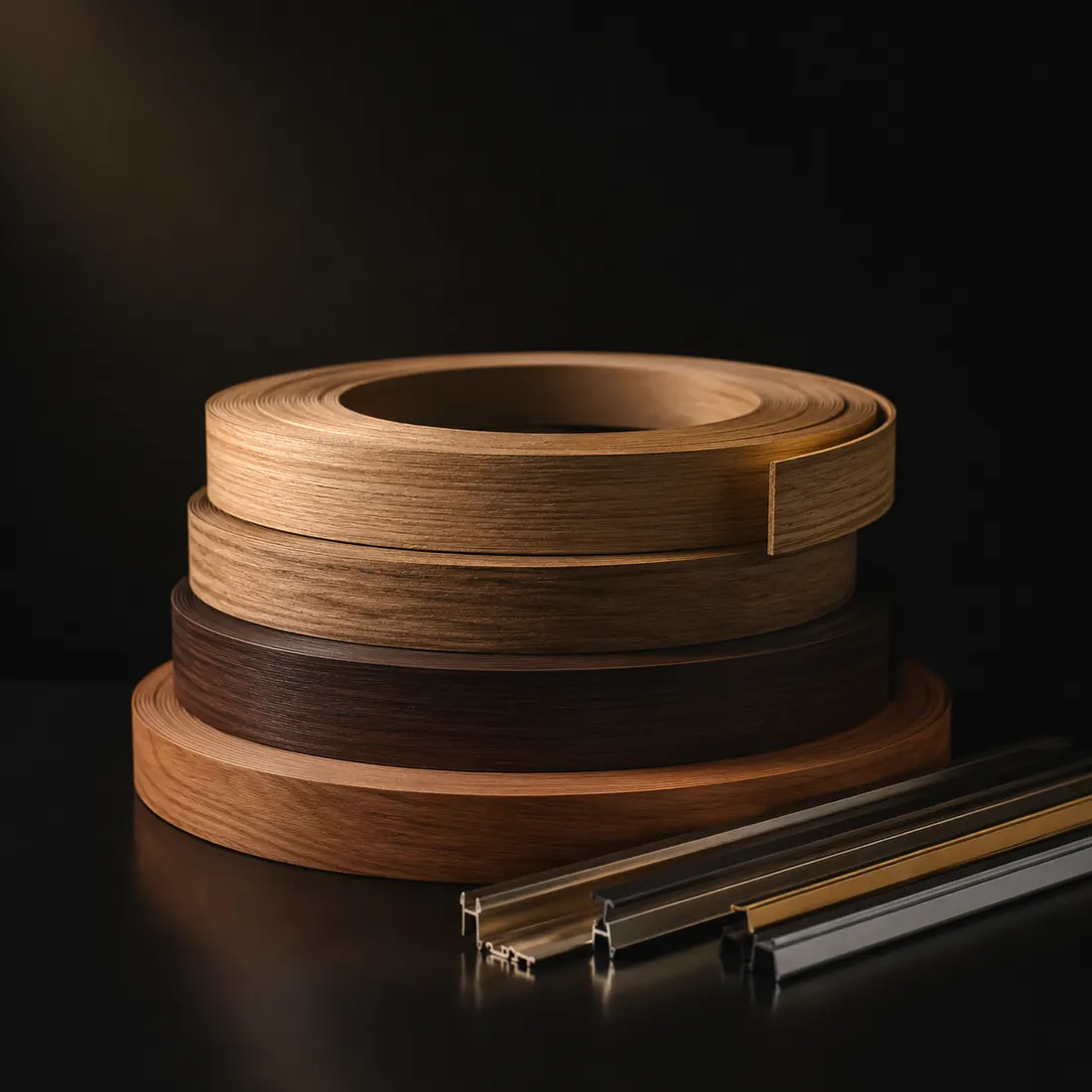
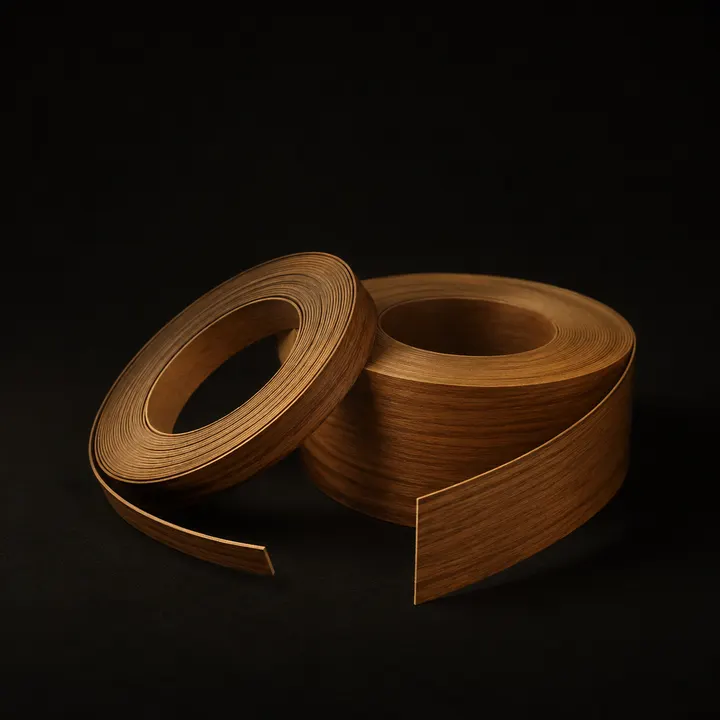
Matched to the laminate, machine-applied.
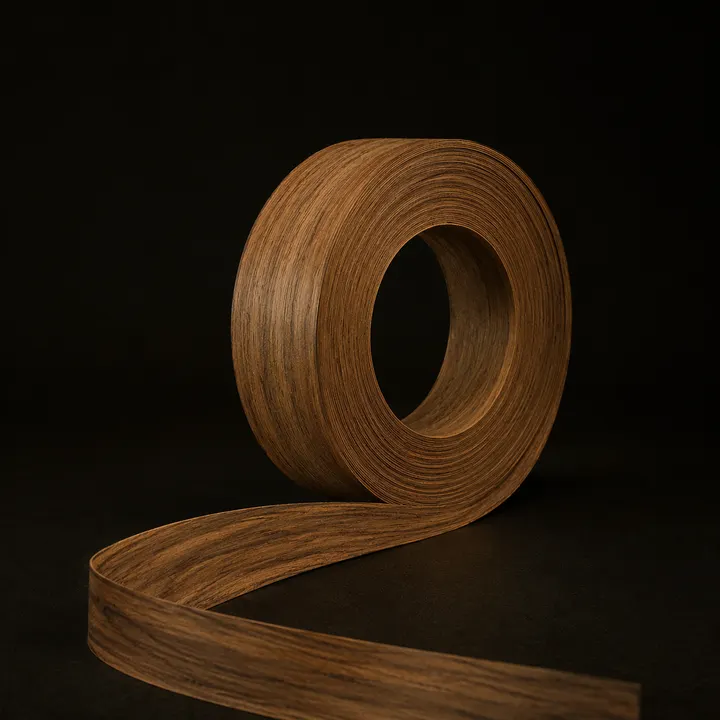
Real timber edge for veneered panels.
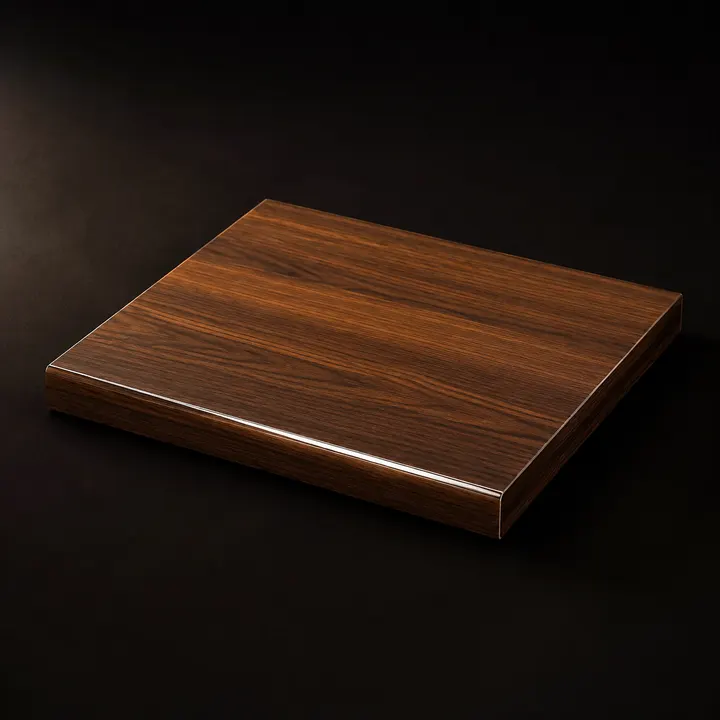
Matched high-gloss edging for acrylic shutters.
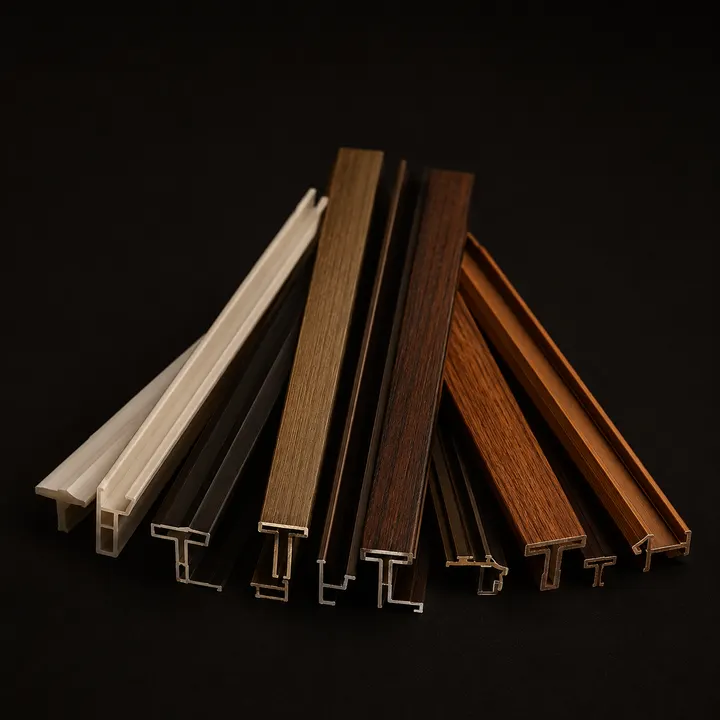
Trims, corner profiles and beading.
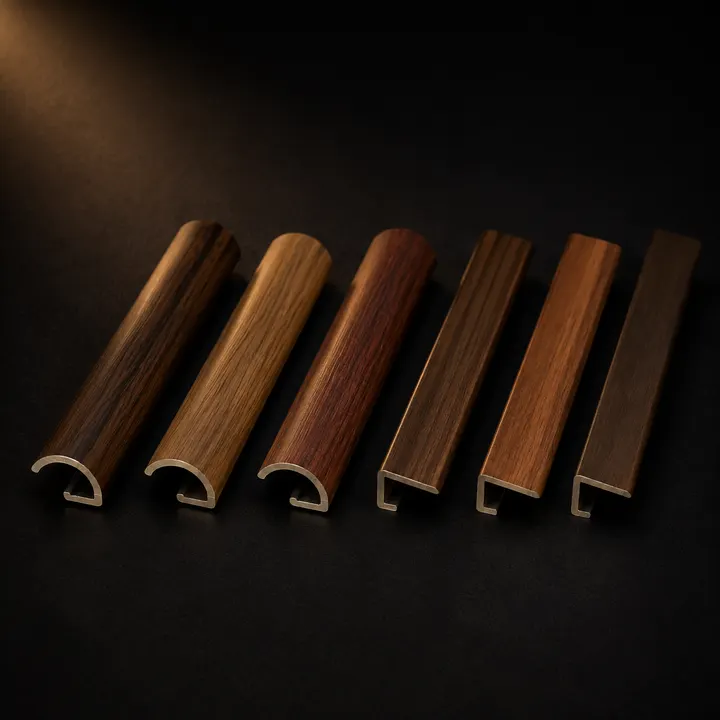
Continuous profile handles for handleless kitchens.
Sizes and specifications are indicative. Anything here can be made to your measurement — send us the opening and we will confirm.
Tell us the opening, the quantity and roughly what you want it to look like. We will come back with a costed estimate — and say so plainly if something on this page is the wrong choice for your job.