BWP / Marine ply
IS:710
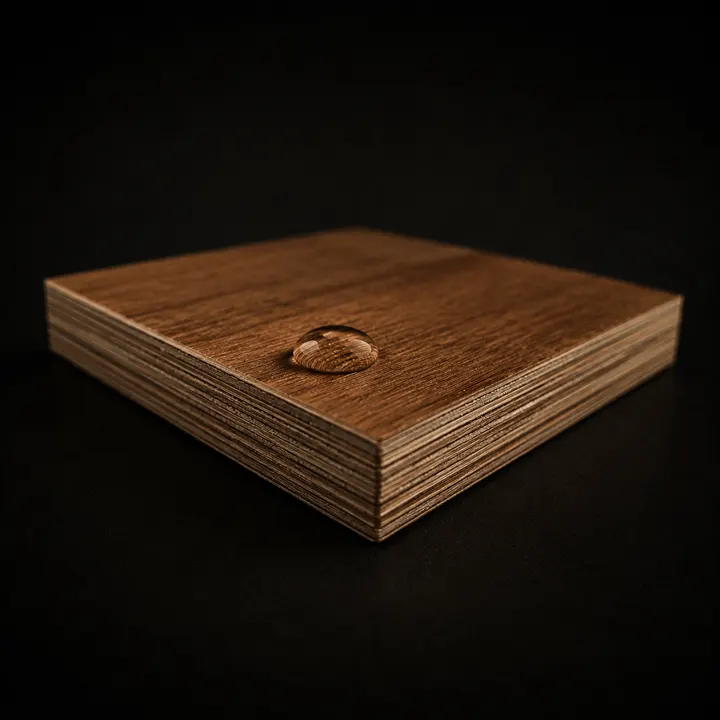
Boiling-water-proof, phenolic bonded. Kitchens, bathrooms, anywhere near water.

Est. 1970
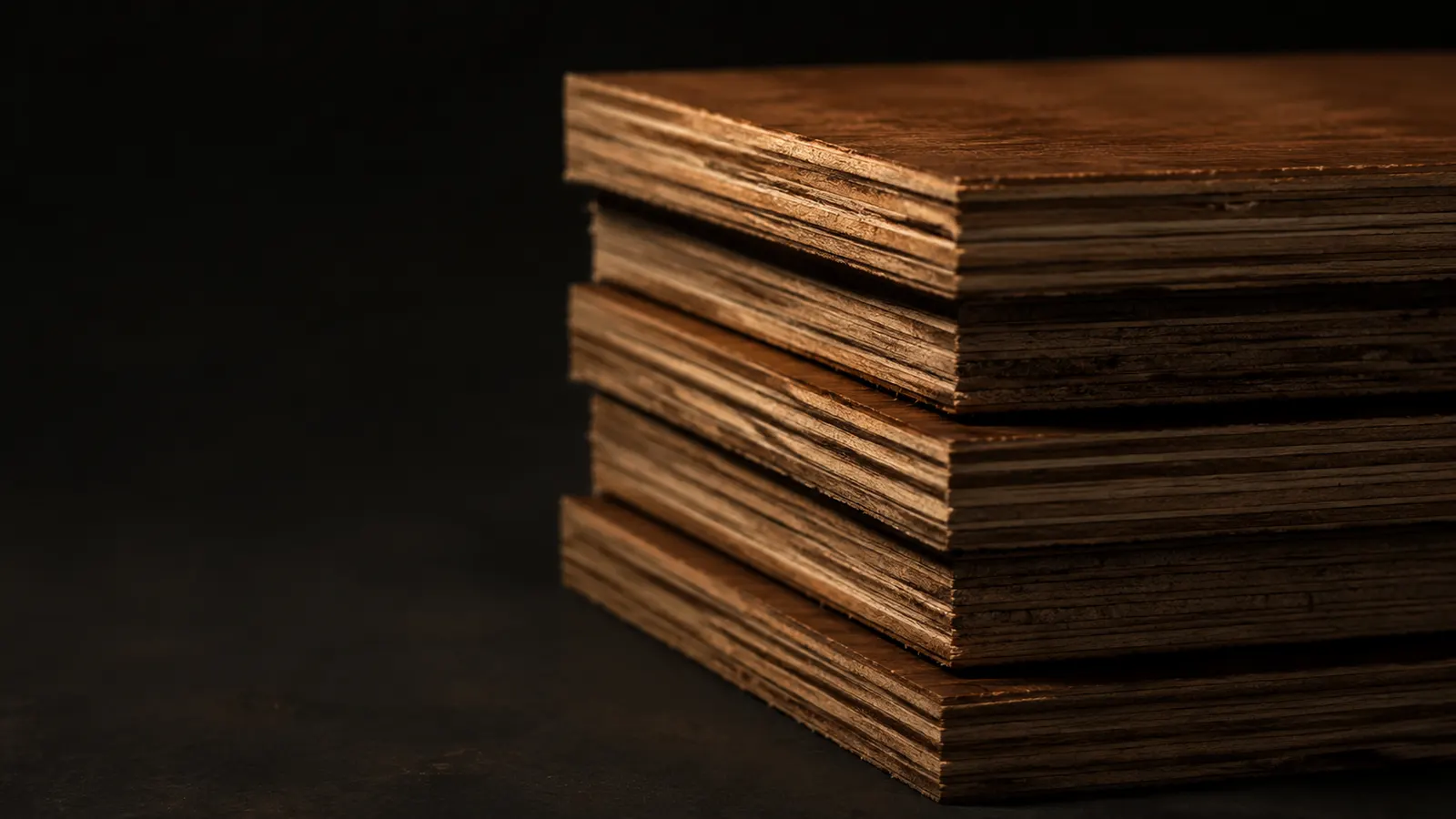
Almost every failure we get called back to look at starts with the wrong board in the wrong place — commercial ply under a kitchen sink, MDF in a bathroom. We would rather sell you the correct grade the first time. Here is what we hold and, more usefully, where each one belongs.
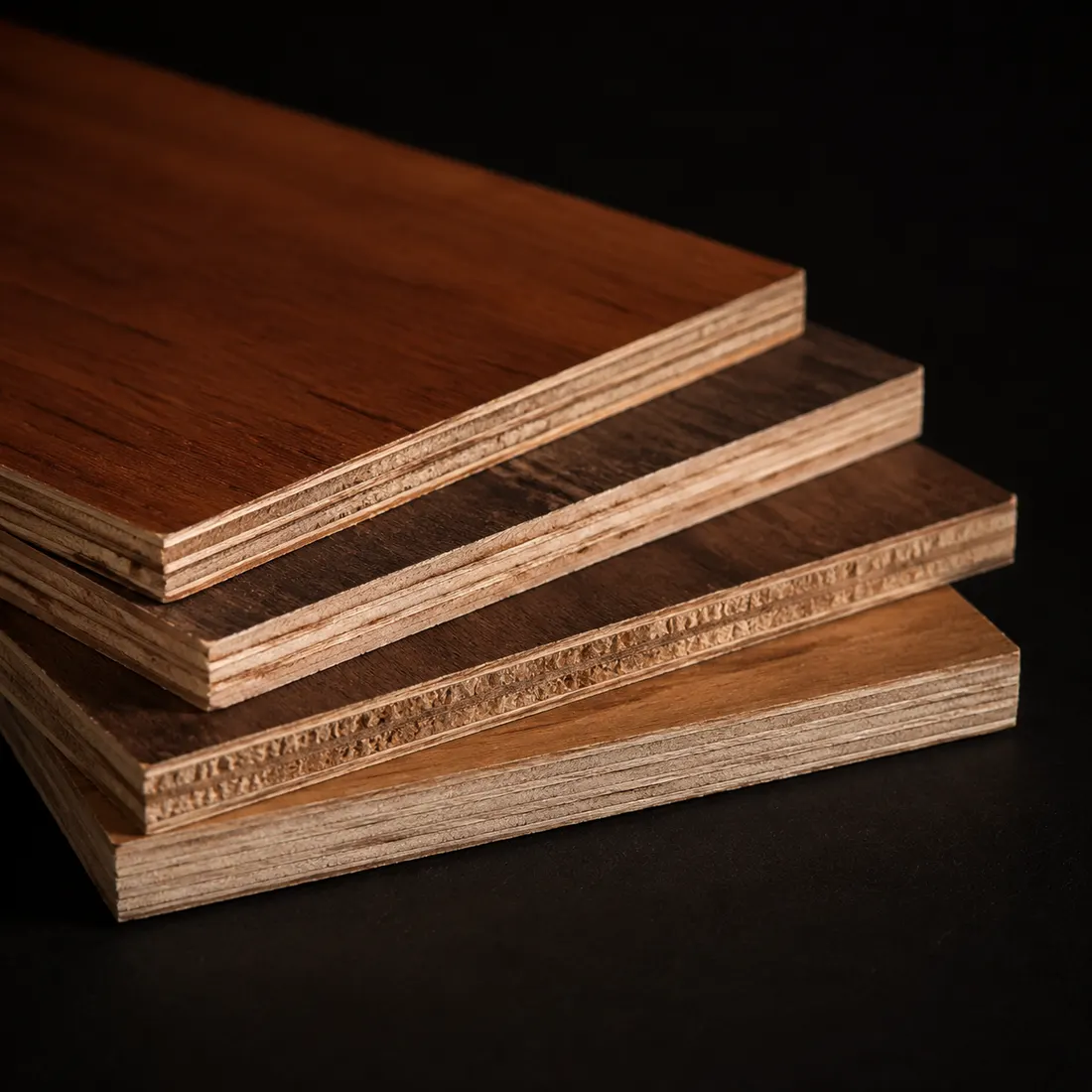
Boiling-water-proof, phenolic bonded. Kitchens, bathrooms, anywhere near water.
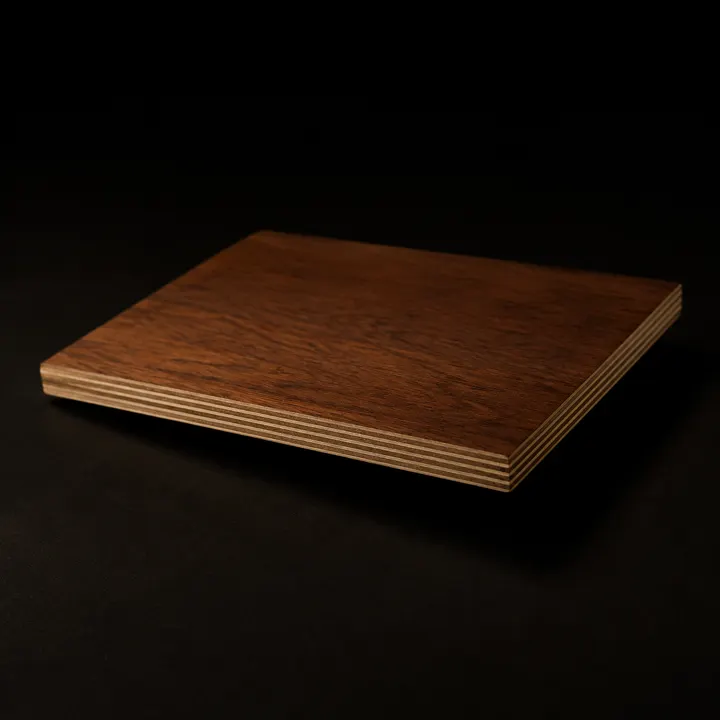
Boiling-water-resistant. Good general-purpose furniture grade for dry areas.
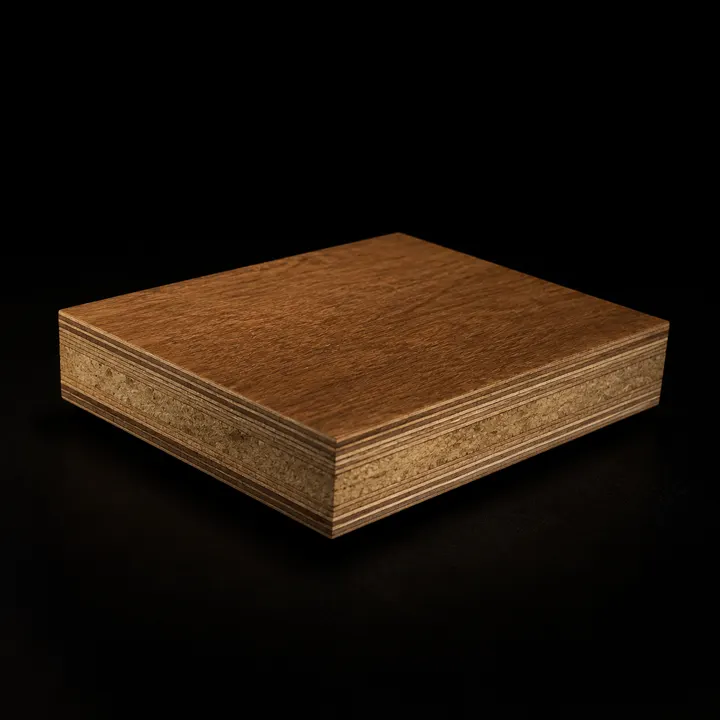
Interior grade for wardrobes, beds and dry joinery. Not for wet areas.
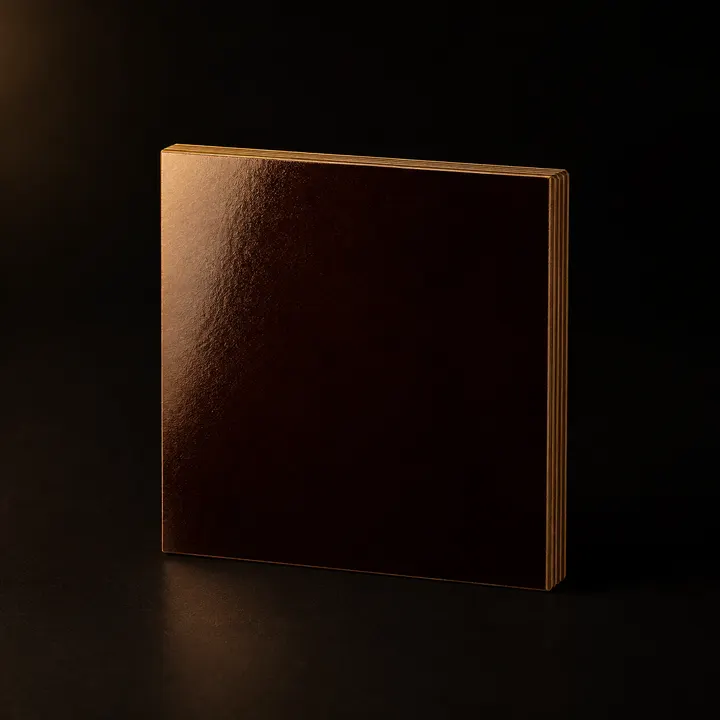
Film-faced formwork ply for concrete shuttering. Reusable for several pours.
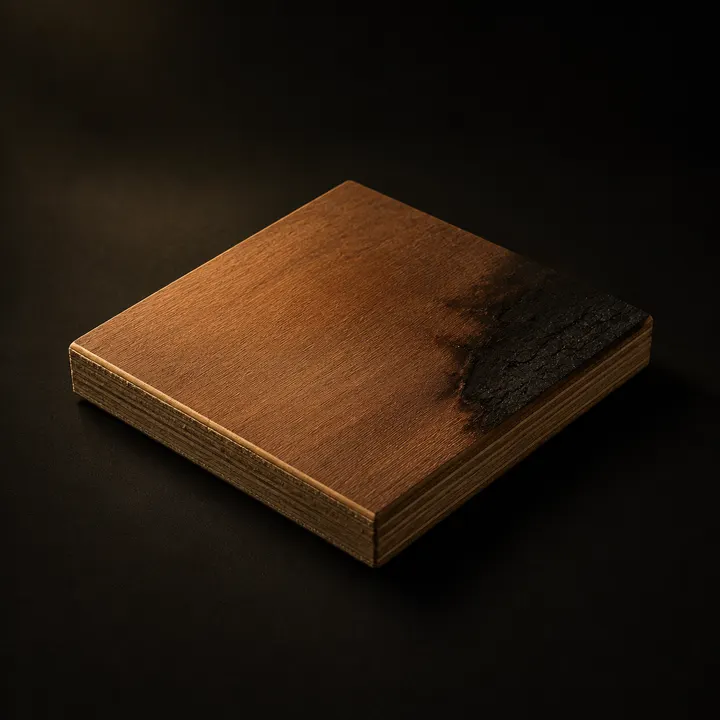
Treated to slow flame spread. Often specified in commercial fit-outs.
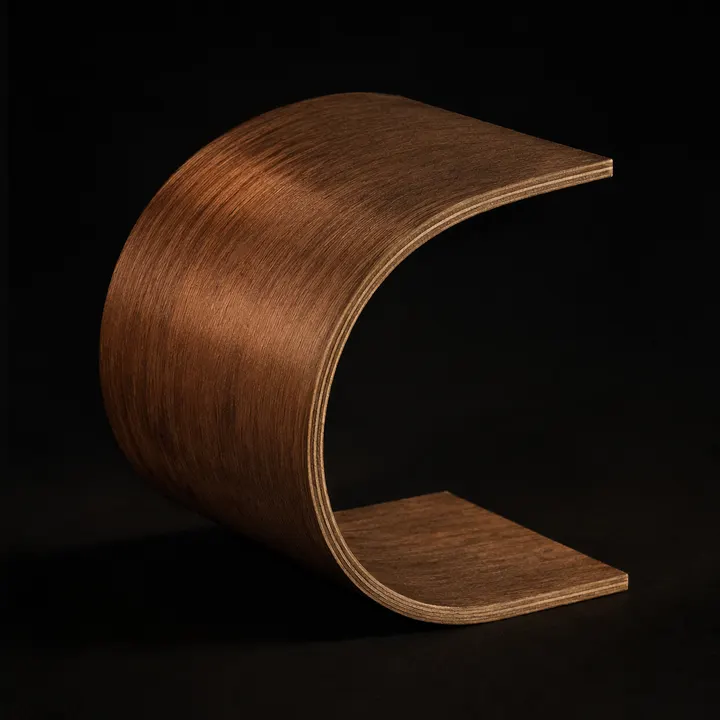
Bends to a curve for columns, counters and curved panelling.
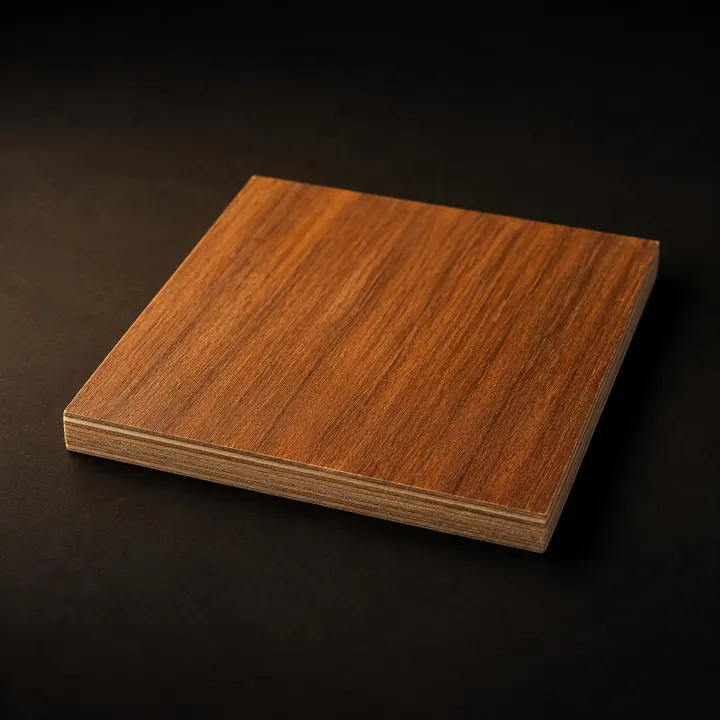
Plywood arriving with a decorative face veneer already pressed on.
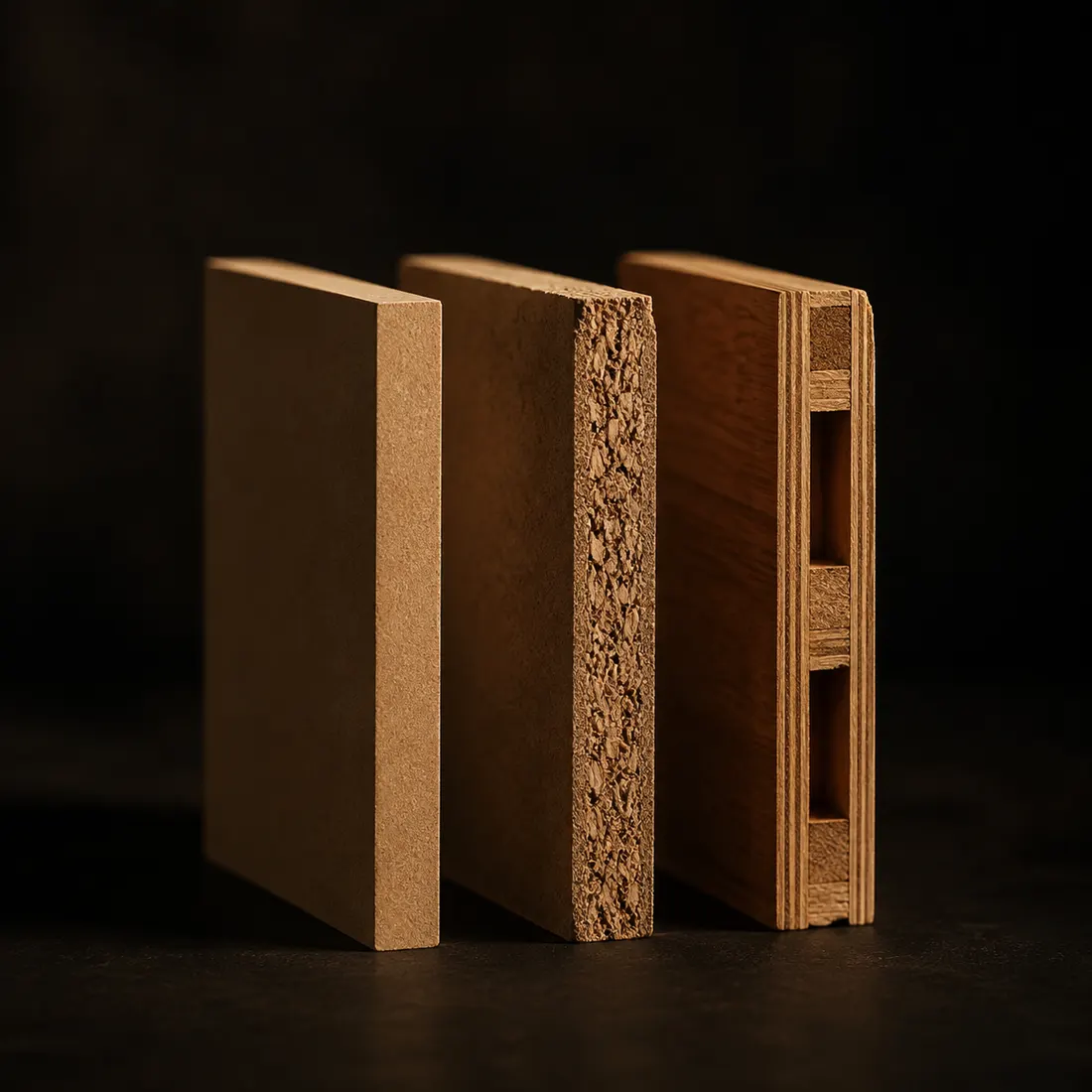
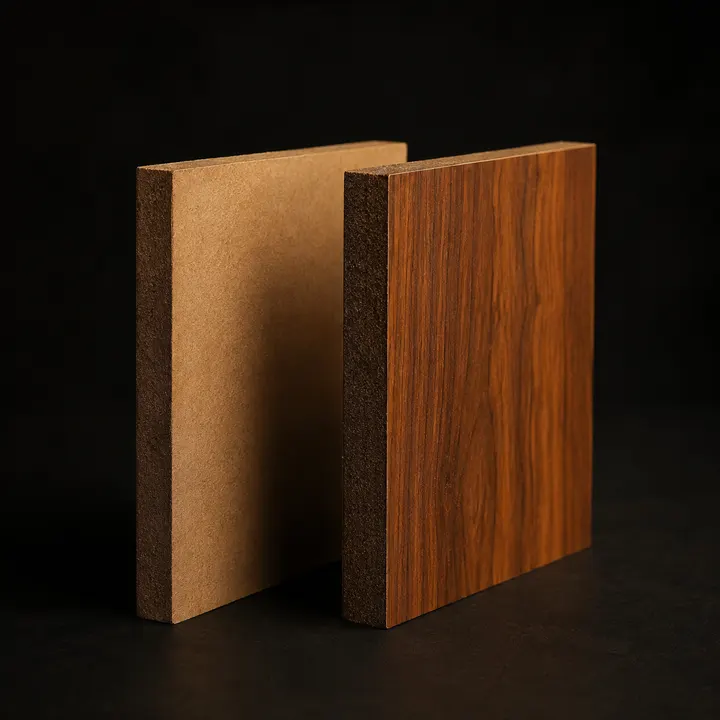
Dead flat, machines beautifully, perfect for paint and routed profiles. Dry areas only.
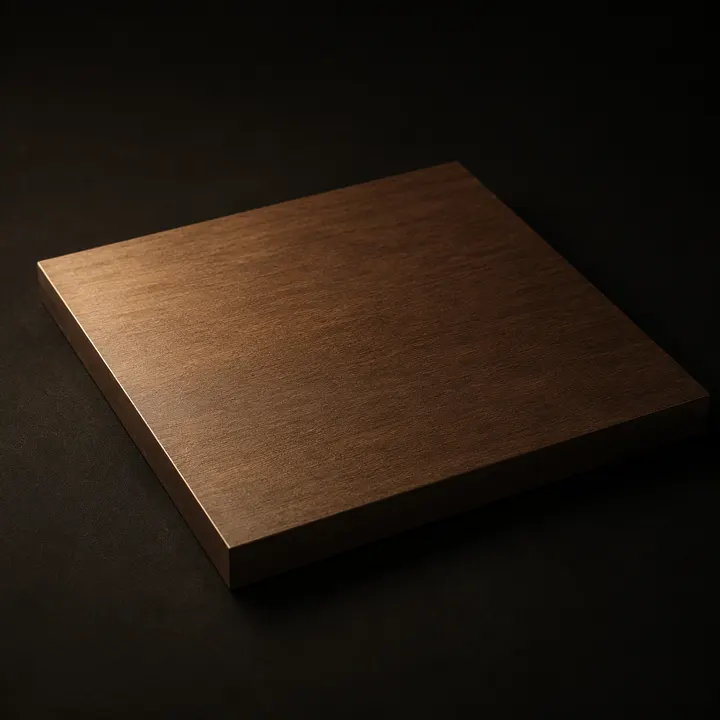
Denser and harder than MDF. Used for door skins and laminate flooring cores.
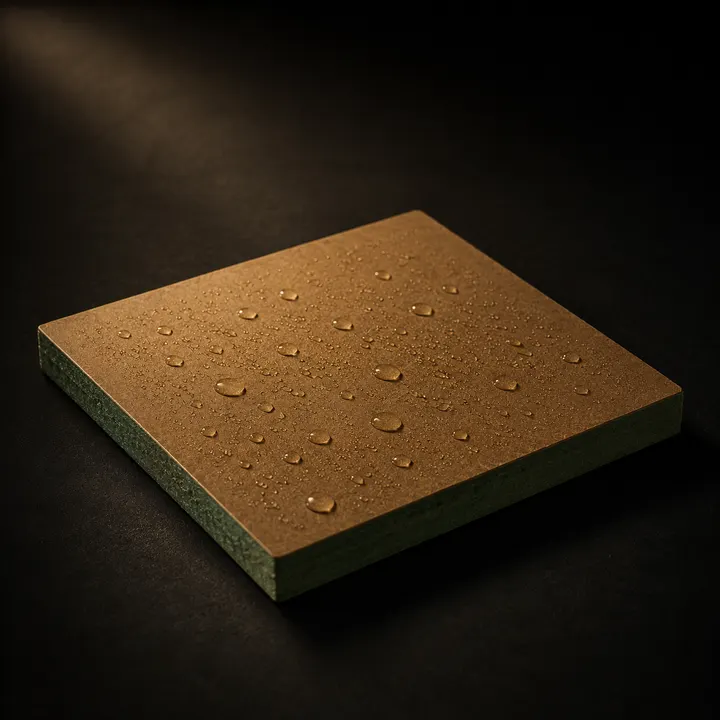
The moisture-resistant grade, usually green-tinted. Better near water, still not marine.
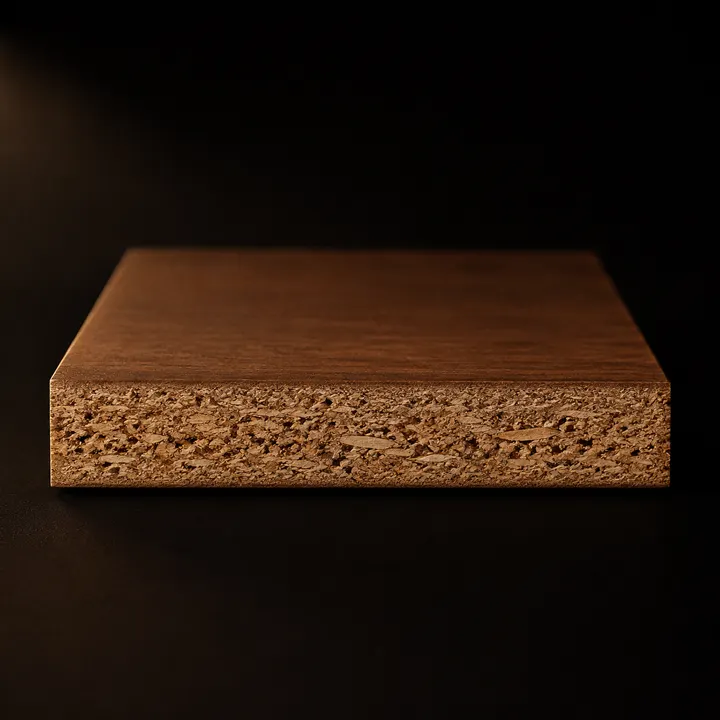
The economical carcass board for budget and knock-down furniture.
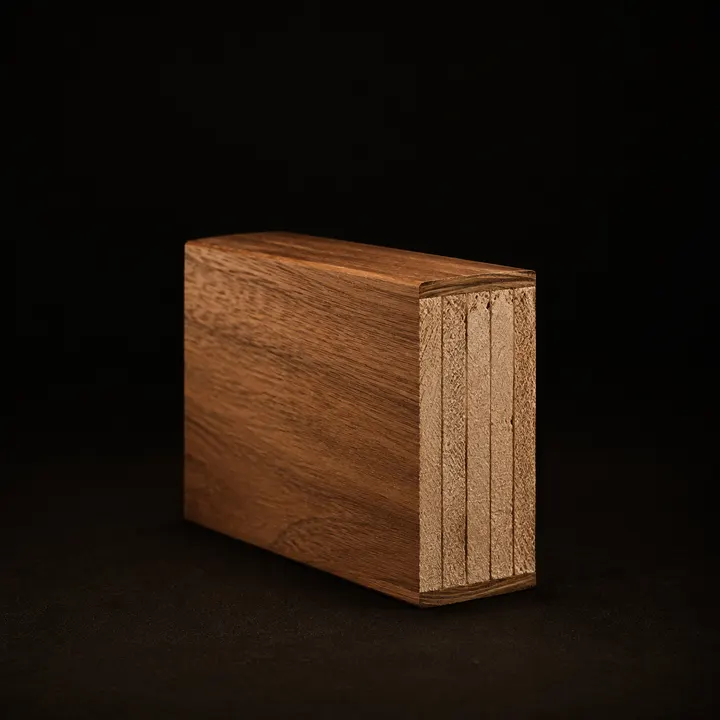
Timber-strip core. Light and stiff over long spans — shelving, tables, shutters.
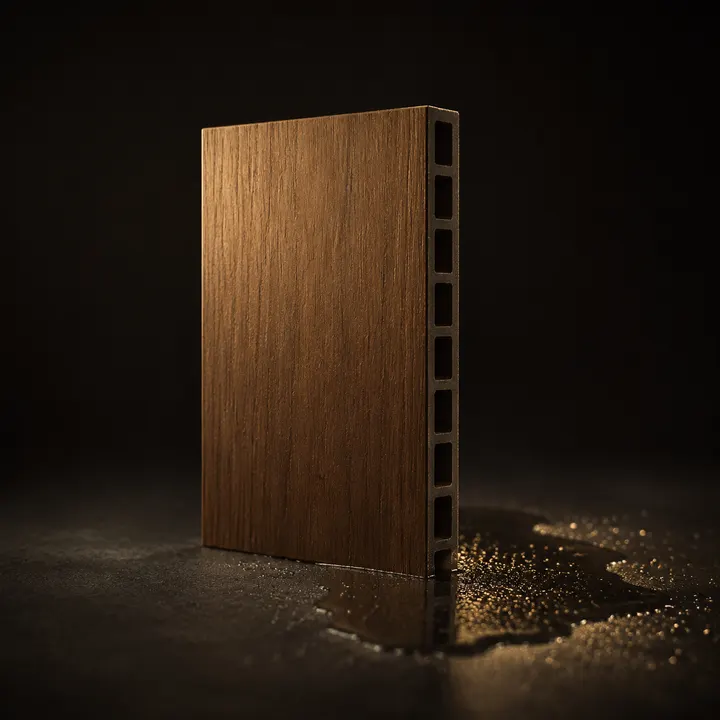
Zero water absorption, termite-proof. Increasingly used for whole bathroom and kitchen carcasses.
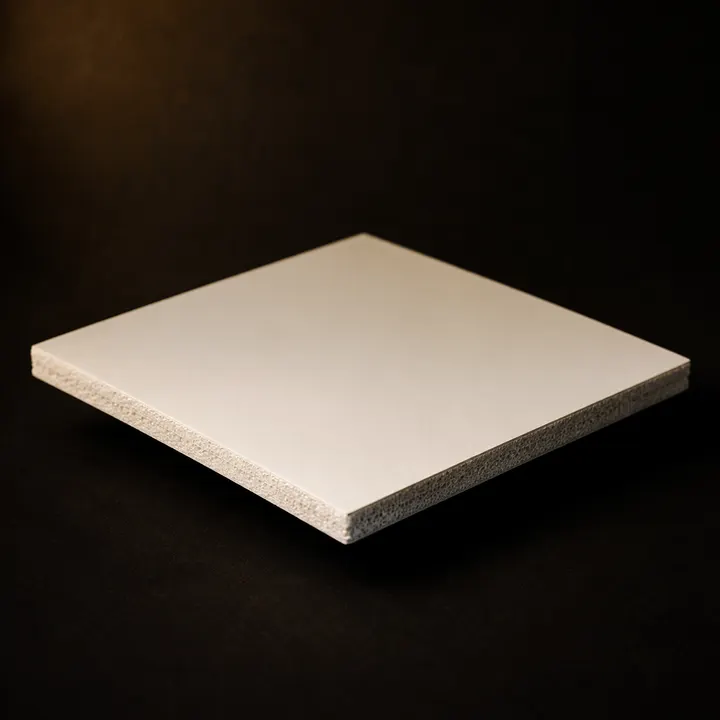
Light, waterproof, easy to cut. Signage, cladding and light cabinetry.
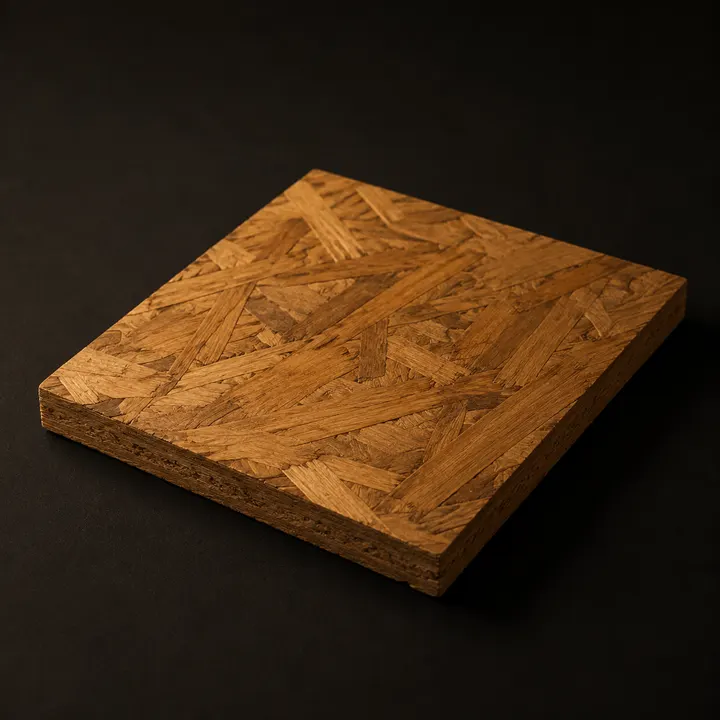
Oriented strand board for structural sheathing and packing.
The short version, if you only read one thing on this page.
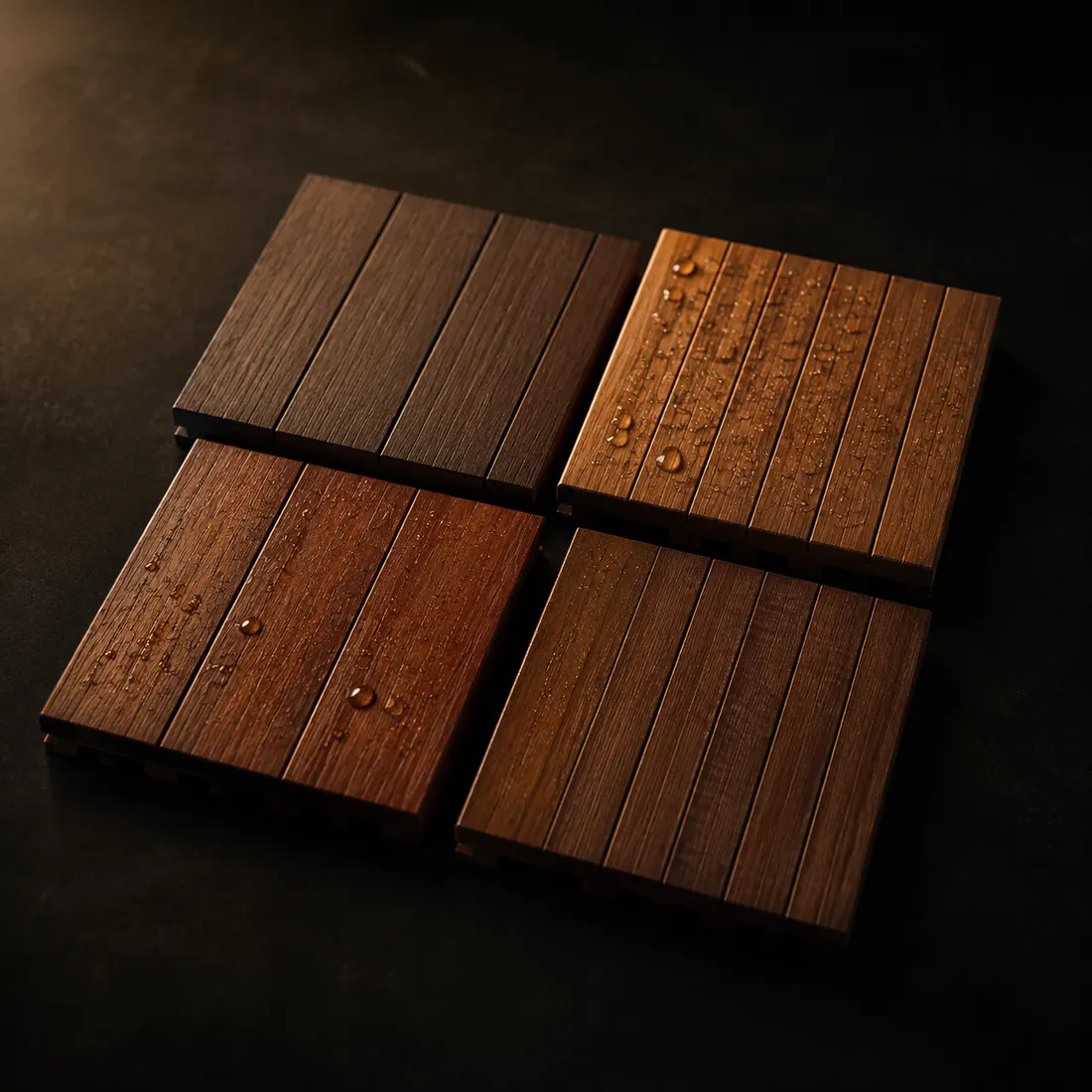
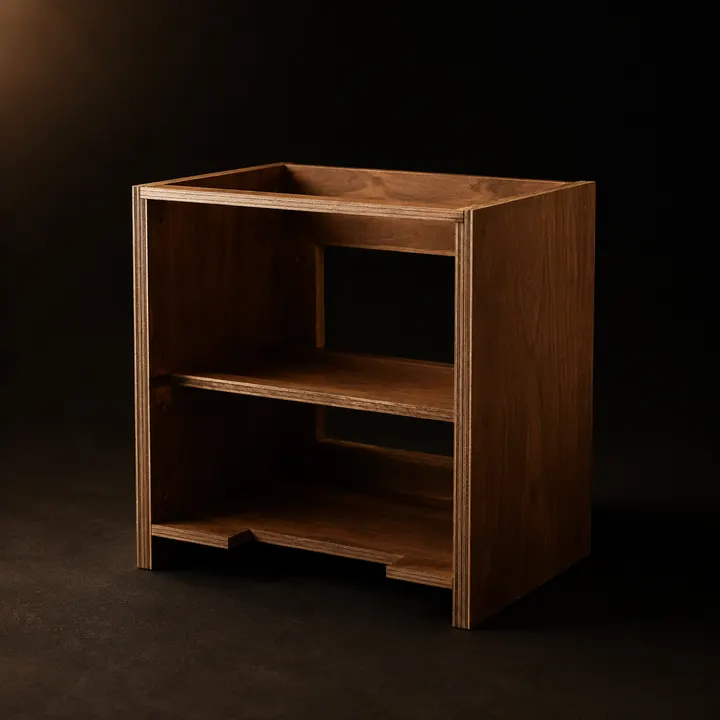
It will get wet. Do not economise here — this is the single most common callback.
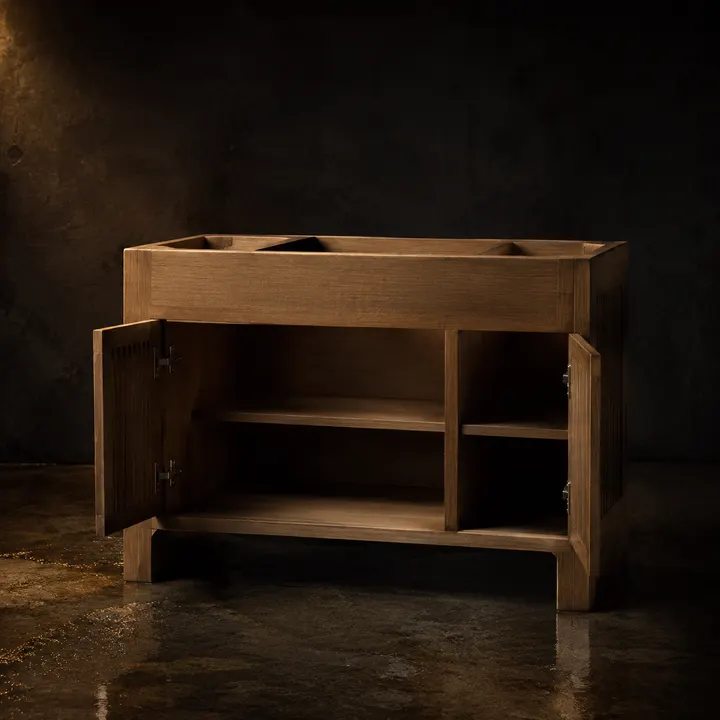
WPC ideally. Never MDF or particle board.
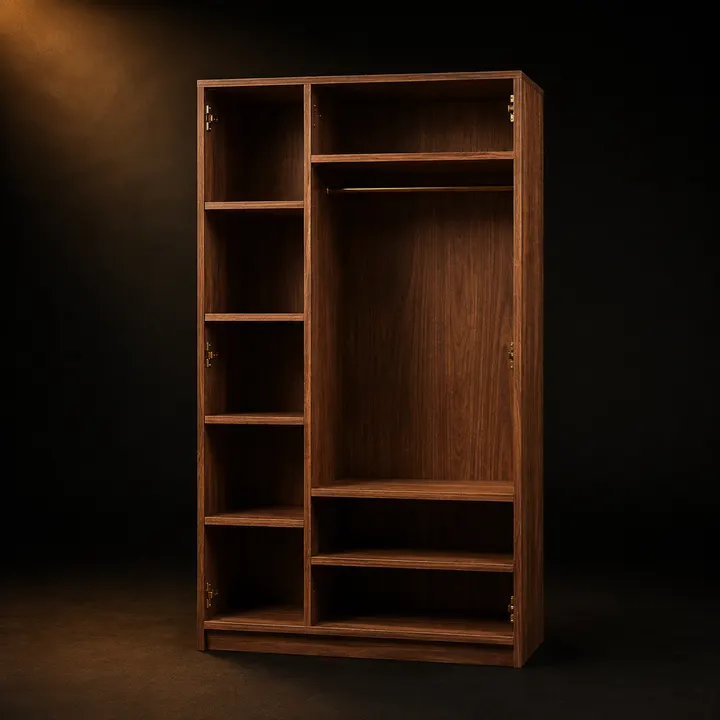
Dry area, so commercial grade is honest value.
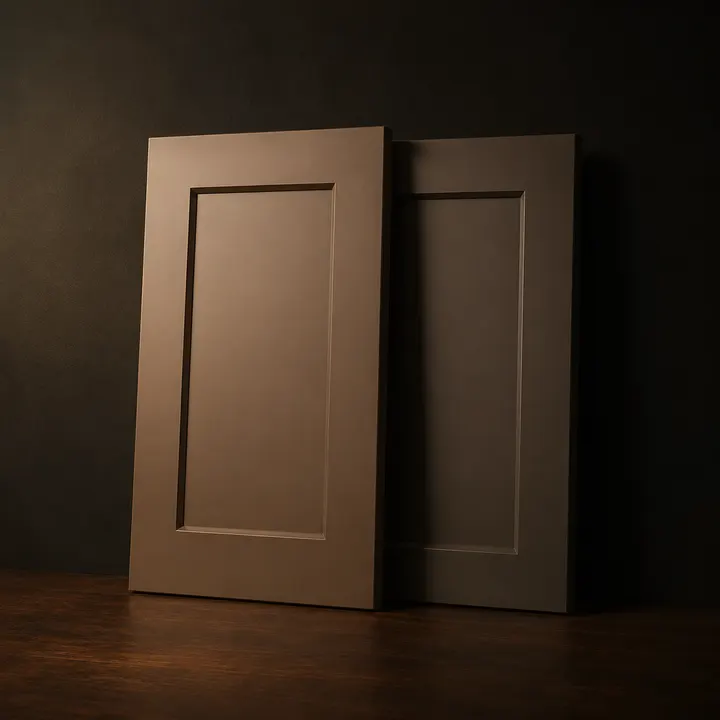
Nothing takes paint as well as MDF. Keep it out of wet areas.
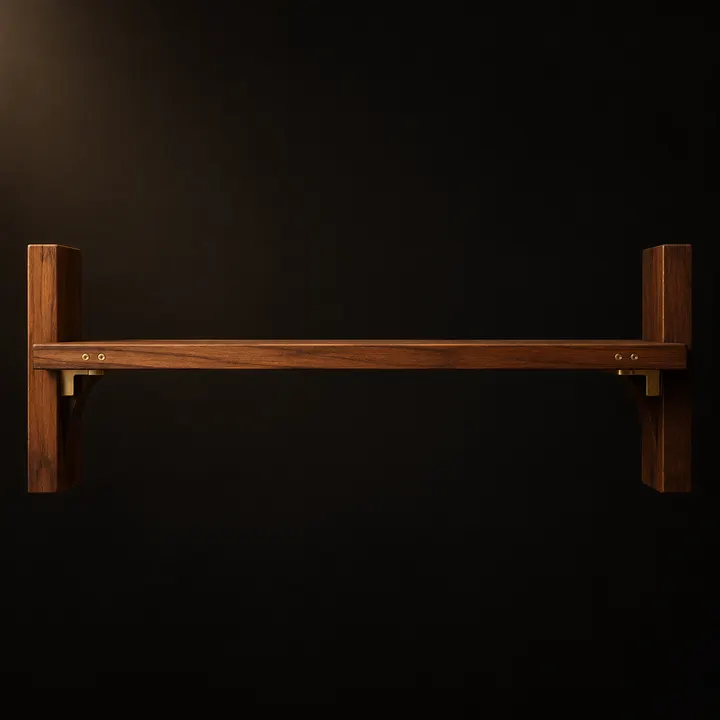
Stiffer over a span, so it sags less than ply.
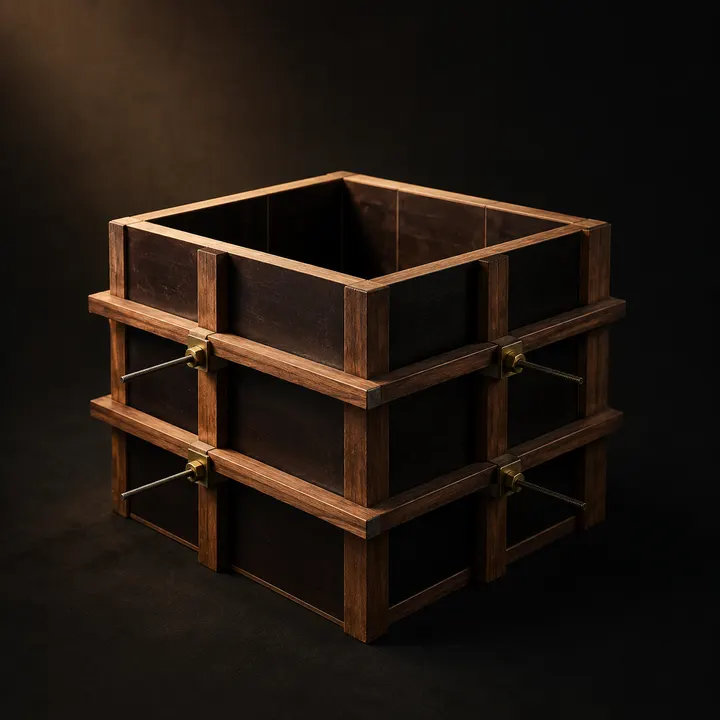
Film-faced, so it releases cleanly and survives repeat pours.
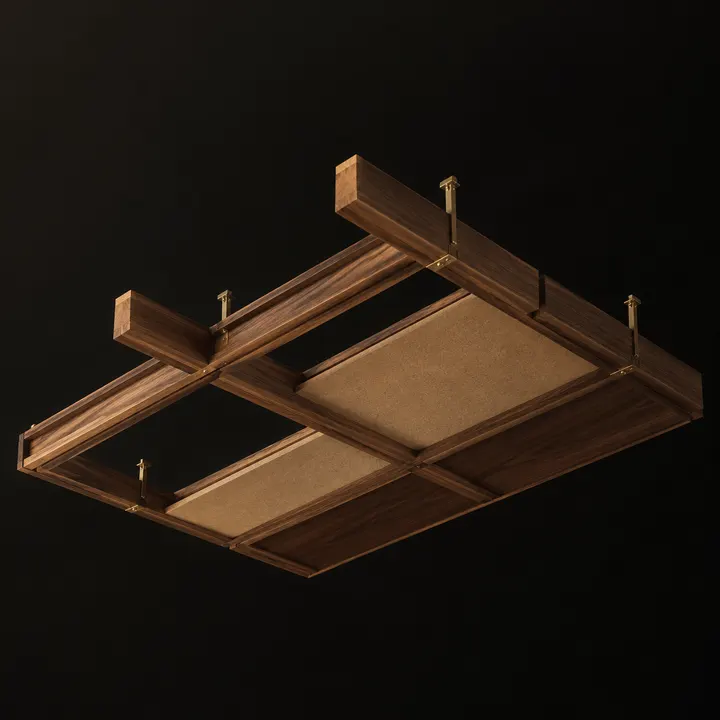
Depends on span, load and whether it is a wet area.
Sizes and specifications are indicative. Anything here can be made to your measurement — send us the opening and we will confirm.
Tell us the opening, the quantity and roughly what you want it to look like. We will come back with a costed estimate — and say so plainly if something on this page is the wrong choice for your job.